
Reviewed · PORTO BIKE TOURS
Peneda Gerês National Park: Self-Guided Electric Bike Tour
Peneda-Gerês is best explored at the pace of a bicycle, where a mountain road can lead from a river crossing to old stone granaries and a castle above a reservoir. This self-guided e-bike ride covers about 50 kilometers and drops roughly 1,300 meters in elevation overall, while still including a climb toward Soajo.
I like two things in particular: the route connects Soajo and Lindoso, villages with very different points of interest, and the electric mountain bike makes a long, varied ride more accessible than a standard bike would. You also get a practical GPS route rather than needing to follow a guide in person.
The main consideration is the effort: five hours on mixed terrain calls for confidence on a mountain bike and reasonable stamina. The GPS can occasionally falter, so bring a charged phone if you have one, and be ready to check your position rather than assuming every turn will be obvious.
- The route links several distinct stops: Cross the Lima River at Touvedo dam, pass Ermelo, then ride to Soajo and Lindoso.
- Soajo is known for its stone granaries: These raised structures, once used to store cereals, are among the village’s defining sights.
- Lindoso adds a castle and reservoir views: Its 13th-century castle once helped defend Portugal, and the old granaries add another dose of local character.
- The GPS-led format gives you independence: There is no live guide leading the ride, so you set your own pace along the marked route.
- You get a quality e-mountain bike: The supplied KTM MACINA KAPOHO 7973 is a 2024 model, with helmet, gloves and sunglasses included.
- Food and drink are on you: Snack bars are few along the route, though drinkable springs make it possible to refill a water bottle.
A 50-kilometer route through Gerês
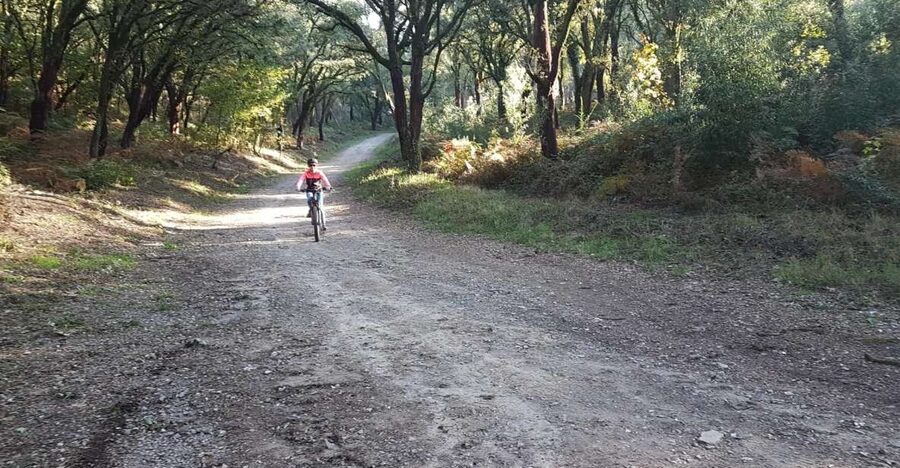
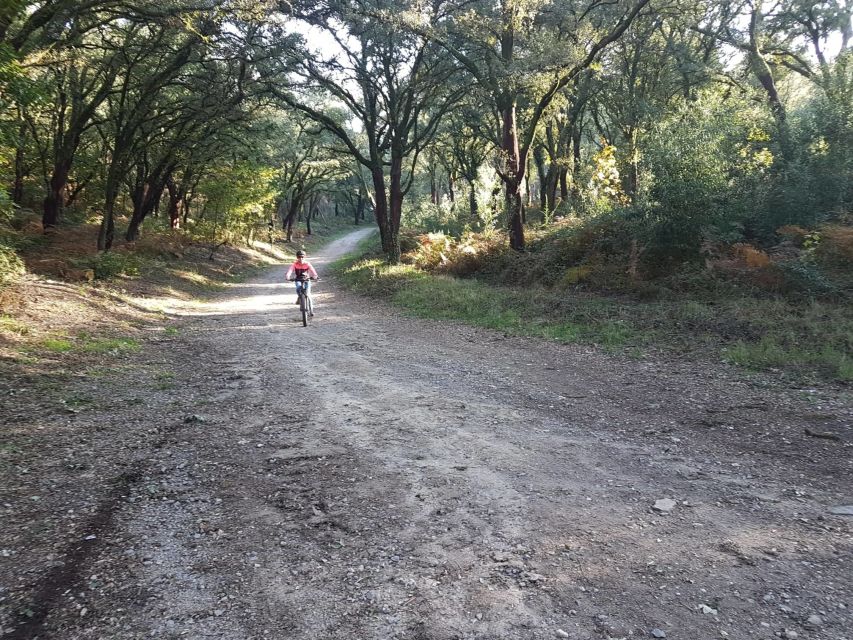
This is a half-day outing with a bigger reach than its five-hour duration might suggest. You start at the Tobogã base in Entre Ambos-os-Rios, cross the Lima River at the Touvedo dam and ride through a sequence of villages and mountain terrain before looping back to the base.
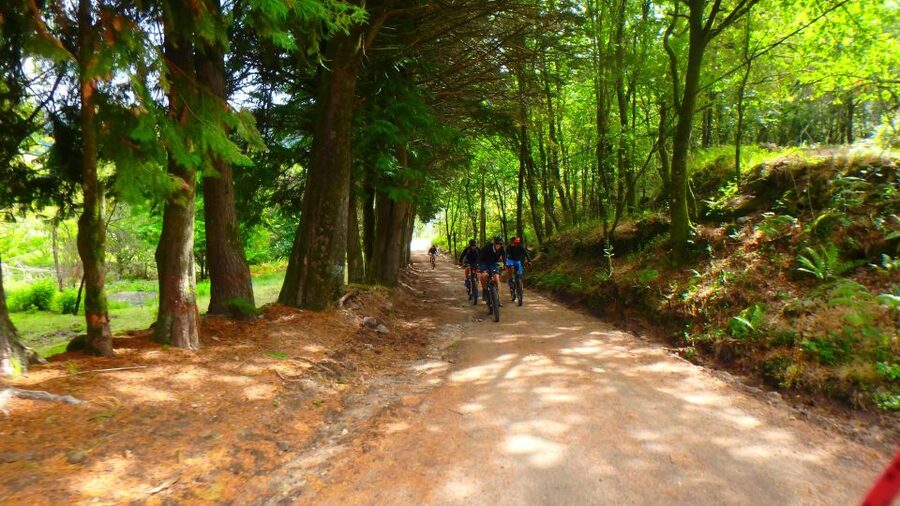
The route covers about 50 kilometers, with an overall descent of around 1,300 meters. That figure does not mean you simply coast downhill all day: the itinerary includes a climb toward Soajo, and the ride takes in different types of terrain. The e-bike helps with the harder work, but it does not remove the need to pedal, steer and stay comfortable in the saddle.
The appeal is the variety. Instead of spending the whole ride on one kind of road or in one setting, you move between a river crossing, rural villages, mountain views and historic sites. If your idea of a good day outdoors includes covering ground under your own power, this route gives you a fuller taste of the park than a quick stop at a single viewpoint.
Starting at Tobogã and crossing the Lima
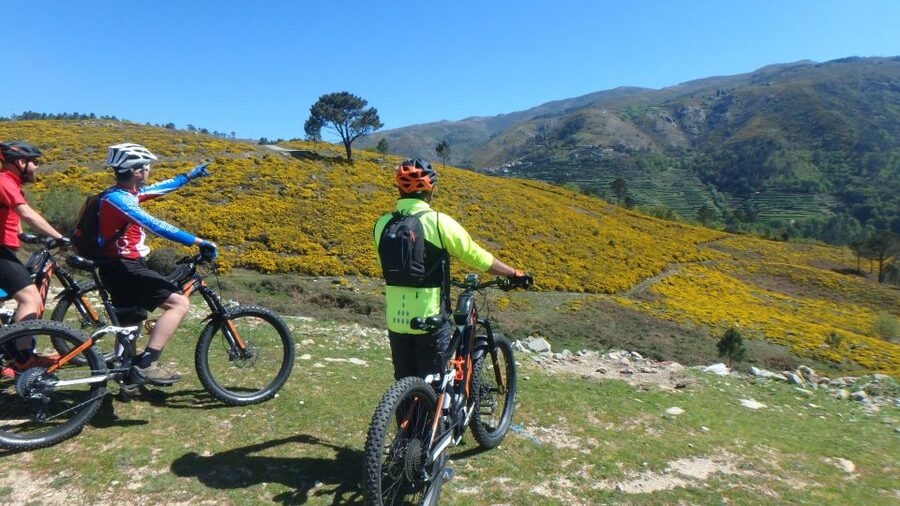
At the Tobogã base, you collect the electric bike and safety gear before setting off on the GPS-guided route. The supplied bike is a KTM MACINA KAPOHO 7973, 2024 model. A helmet, gloves and sunglasses are included, so you do not need to bring those essentials yourself.
The first notable landmark is the Touvedo dam, where the route crosses the Lima River. It is a useful transition from the starting point into the ride’s broader mountain setting. You are not joining a guided group with a leader calling out turns; you follow the GPS route independently, which gives you more control over your pace and stops.
That independence is a plus if you like to ride at your own speed. It also means you should pay attention to navigation. The route has been described as easy to follow, but GPS has occasionally been unreliable. If you are used to cycling with a map app, a charged phone can provide useful backup. Do not treat the electronic route as a reason to stop checking where you are.
More bike tours around Braga:
- E-Bike Tour
★ 5.0 · 14 reviews - Gerês National Park: Self-guided E-Bike Tour
★ 3.8 · 6 reviews - E-Bike Wild Experience with Transport from Porto and Braga
★ 5.0 · 3 reviews
Ermelo and the climb toward Soajo
From the river crossing, the route passes through Ermelo, a village with a monastery, then climbs toward Soajo. This is the part where the electric assist matters most. The e-bike can make the ascent more manageable, but the ride still asks you to handle a mountain bike for several hours and across changing terrain.
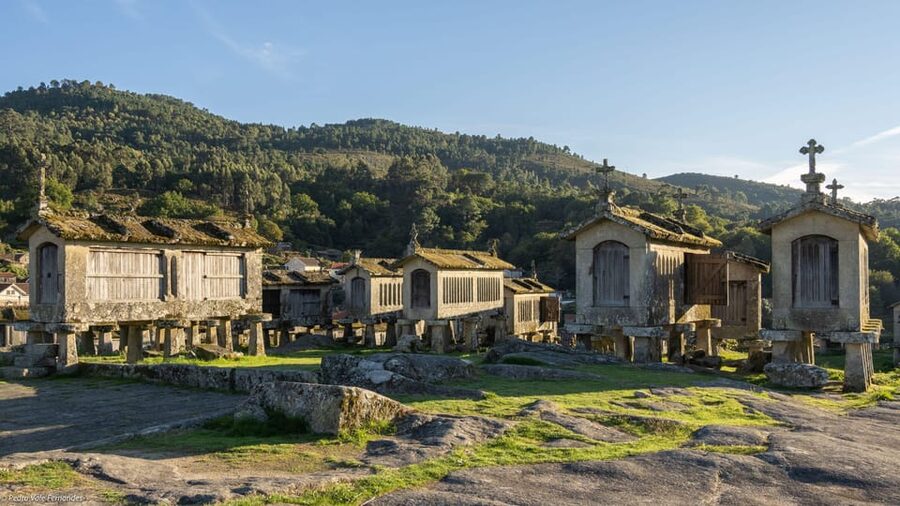
Soajo is one of the park’s most recognizable villages, with a quiet rural feel and a strong connection to local traditions. Its stone granaries, built to store cereals, are a major feature. They make a visit more than a scenic pause: you can see a practical piece of village life that has become an architectural emblem of the area.
The village is also associated with wooden handicrafts and local food, including goat prepared in the Soajo style. The tour information does not promise a meal or a scheduled tasting, so think of these as part of the village’s character rather than included activities. Food and drinks are not provided, and there are only a few snack bars along the way. Bring something to eat if you do not want to depend on finding an open stop.
Soajo’s main value on this ride is the contrast between its built heritage and the open mountain surroundings. You can stop to look around, but remember that the five-hour duration includes the full route. If you linger, keep an eye on your time and energy for the miles ahead.
Lindoso Castle and the old granaries
The route continues to Lindoso, another mountain village in Alto Minho. Its 13th-century castle is the headline sight. Built to help defend Portugal during conflicts with its neighbor, it gives the village a strong sense of its strategic past without requiring a long museum visit to make the setting meaningful.
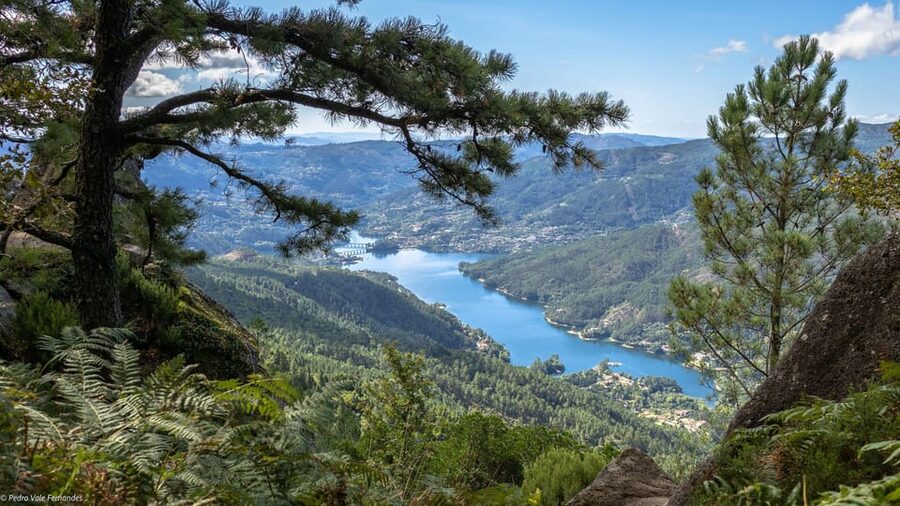
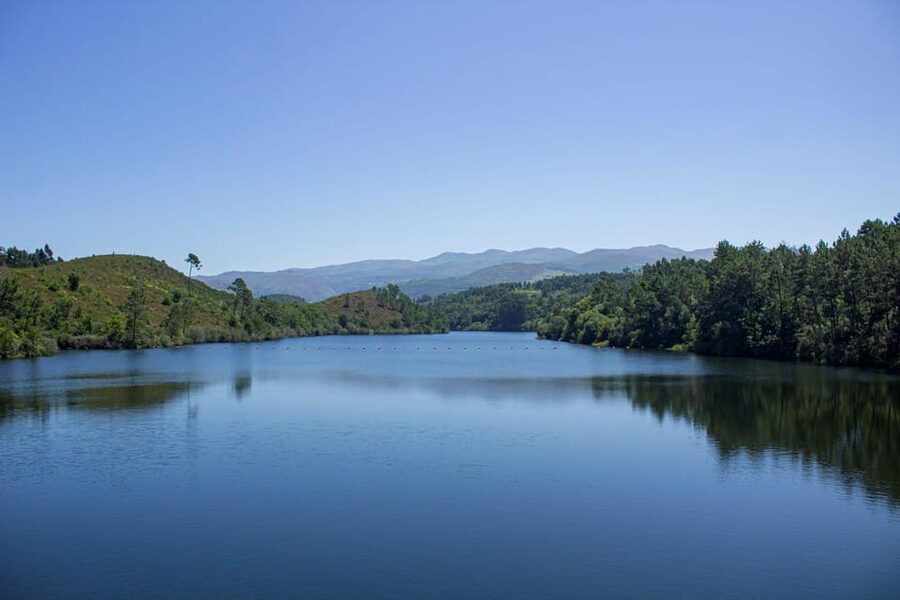
Lindoso also offers views over the Lindoso Reservoir and another collection of old granaries. Seeing granaries in both Soajo and Lindoso helps you notice how central these stone structures are to the local villages. They are not just decorative relics; they reflect the practical need to store and protect grain.
The castle and reservoir make Lindoso a fitting high point in the cultural part of the ride. Still, this is a self-guided cycling tour, not a castle tour with a historian. You have the freedom to pause and take in the surroundings, but interpretation is largely up to you. If you want detailed historical context, consider reading a little about the area before setting out.
The return to Entre Ambos-os-Rios
After Lindoso, the route returns to the Tobogã base at Entre Ambos-os-Rios. The overall descent of about 1,300 meters is one reason the ride can cover so much ground in five hours, but it should not be mistaken for an effortless downhill cruise. The route includes varied surfaces and a substantial climb earlier in the day.
Terrain is part of the experience and part of the challenge. One rider might hope for more unpaved track, while another might value a route that mixes surfaces and environments. The ride does not appear to be a pure off-road trail outing, so book it for the combination of village visits, mountain cycling and scenery rather than expecting five hours of single-track.
The landscapes around the park can also change with conditions. In summer 2025, the route was described as beautiful despite recent forest fires, and riders were informed about the situation before setting off. Conditions can vary, so take the start briefing seriously and follow any current advice about the route.
More Gerês trips around Braga:
- Peneda-Gerês Hiking & Sightseeing: Private Experience
★ 5.0 · 67 reviews - Canyoning Tour Gerês
★ 5.0 · 25 reviews - Peneda-Gerês National Park – Nature & Tastings –
★ 5.0 · 16 reviews - Private Tour of the Natural Waterfalls and Lagoons of Gerês
★ 5.0 · 14 reviews
What the self-guided format means
The experience is self-guided, with GPS navigation rather than a person cycling alongside you. The host languages listed are Spanish, English, French and Portuguese, which may help when you are getting started or need to communicate at the base. No individual guide name is provided, and the route itself is designed for you to follow without a live leader.
This format suits independent riders who are comfortable making decisions as they go. You can choose when to pause and how long to spend in the villages, within the limits of the five-hour outing. The trade-off is less personal commentary and less hands-on navigation help than you would get with a guided ride.
The GPS has generally been straightforward to follow, but occasional glitches have been reported. Treat it as a guide, not an infallible co-pilot. Bring a charged phone, keep an eye on the route and do not hesitate to stop safely if you need to reorient yourself.
The bike, supplies and physical demands
The included KTM electric mountain bike is a significant part of the value. A 50-kilometer ride over different terrain is a different proposition on a standard bicycle, especially with a climb to Soajo. The electric assist can help manage that effort, while the mountain-bike design is suited to the route’s mix of surfaces.
You still need to be able to ride a bicycle and feel comfortable on a mountain e-bike for about five hours. The activity is not suitable for anyone who cannot ride. If you rarely cycle or feel uneasy on varied terrain, the length and independence of the outing are worth weighing carefully before booking.
Pack weather-appropriate clothing, sunscreen, a water bottle and snacks. Drinkable springs along the way let you refill, but that is not a substitute for carrying water from the start. Snack bars are limited, and food and drinks are not included. The practical rule is simple: prepare as if you will be away from a shop for much of the ride.
Is $94 good value?
At $94 per person, the price covers a five-hour route, an electric mountain bike, helmet, gloves, sunglasses and insurance. For a rider who wants to explore several park villages without arranging a bike rental and route independently, that package has clear value. The bike is a recent KTM model, and the route links several worthwhile sights in a single outing.
What the price does not buy is a meal, drinks, transport or a live guide. You need to get yourself to the Tobogã base and manage your own food and navigation. So the value is strongest if you are comfortable riding independently and want the freedom to move at your own pace. It is less compelling if you expect a guided history tour or a fully supported day with refreshments and transfers.
The tour also offers free cancellation up to 24 hours in advance and a reserve-now, pay-later option. Those terms can be useful when outdoor plans depend on weather, though you should still check the available start times before choosing a date.
Who should book this ride?
I would consider this tour if you are a confident cyclist who wants a broad, active introduction to Peneda-Gerês rather than a short stop at one landmark. The combination of Soajo’s granaries, Lindoso Castle, the reservoir and the ride through varied terrain gives the day a good mix of culture and outdoor time.
It is especially well suited to riders who like self-guided travel and are happy to bring their own snacks, monitor their route and make their own stops. The electric assist helps, but you should not book on the assumption that it will turn a long ride into a casual stroll.
If you prefer a live guide, want frequent food stops, or are not comfortable cycling for several hours over different surfaces, this may not be your best fit. For a prepared rider, though, the route offers a useful balance: substantial distance, meaningful village stops and enough independence to make the outing feel like your own.
FAQ
How long is the tour?
The tour lasts about five hours. The route covers approximately 50 kilometers.
Where does the ride start and finish?
It starts at the Tobogã base and returns there. The base is located at Entre Ambos-os-Rios.
Is the tour guided?
It is self-guided. You follow a GPS route rather than riding with a live guide.
What equipment is included?
The tour includes a KTM MACINA KAPOHO 7973 electric bike, 2024 model, plus a helmet, gloves, sunglasses and insurance.
Should I bring food and water?
Yes. Food and drinks are not included, and there are only a few snack bars along the route. Bring snacks and a refillable water bottle; drinkable springs are available along the way.
What riding ability do I need?
You must be able to ride a bike and should be comfortable riding a mountain e-bike for about five hours on different types of terrain.
More self-guided options around Braga
- Braga Scavenger Hunt and Sights Self-Guided Tourer Hunt
★ 5.0 · 21 reviews - Roman Heritage of Braga: Self-Guided Puzzle Adventure
★ 4.0 · 3 reviews - Pinhão: 2-Hour Rabelo Boat Tour with Audio Guide
★ 4.3 · 1,224 reviews - From Pinhão: Douro Valley Rabelo Boat Tour with Audio Guide
★ 4.2 · 55 reviews
Just in around Braga
- E-Bike Tour★ 5.0 · 14 reviews
- Classic Tasting | Quinta de Santa Cristina Vinho Verde★ 5.0 · 38 reviews
- hike quad mountain altitude 825m / hike atv mountain altitude 825m★ 5.0 · 18 reviews
- Water Canyoning★ 5.0 · 47 reviews
- Selection Tasting | Quinta de Santa Cristina Vinho Verde★ 5.0 · 6 reviews
- Wine Tasting & Lunch | Quinta de Santa Cristina Vinho Verde★ 5.0 · 7 reviews
- Peneda-Gerês Hiking & Sightseeing: Private Experience★ 5.0 · 67 reviews
- Medieval Guimarães- by Dusk or Day time -from Porto or Braga★ 4.5 · 5 reviews
Porto Bike Tours, compared.
City Highlights 3-Hour Guided Electric Bike Tour
Read our review →
3-Hour Old Town & Riverside Bike Tour – Guided Experience
Read our review →
Porto Highlights in 3 Hours E-Bike Tour – Historical, Sightseeing
Read our review →
From Porto with view to Gaia: Private Bike Tour #DuckSideOfPorto
Read our review →Browse the lists this tour appears in