
Reviewed · PORTO MUSEUM TICKETS
Museu das Marionetas do Porto
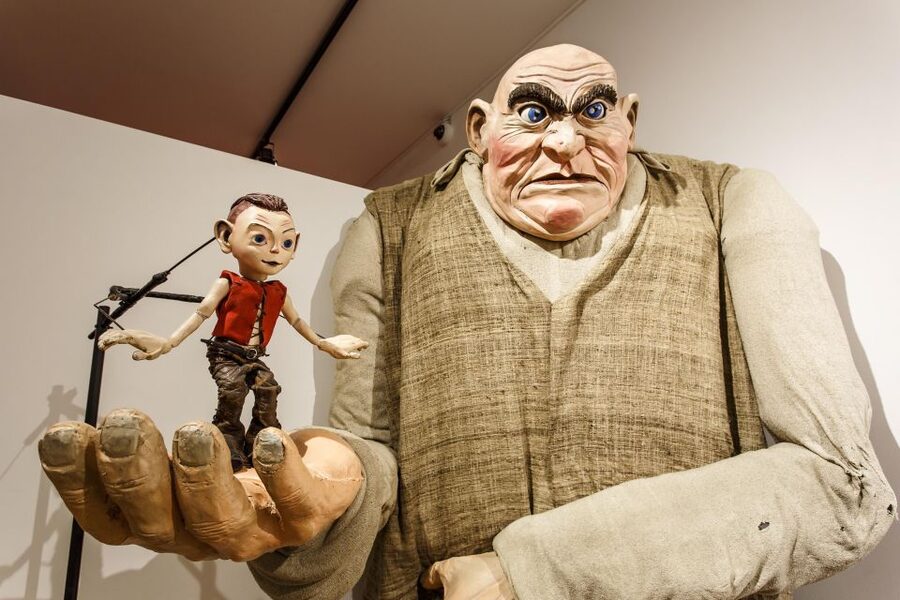
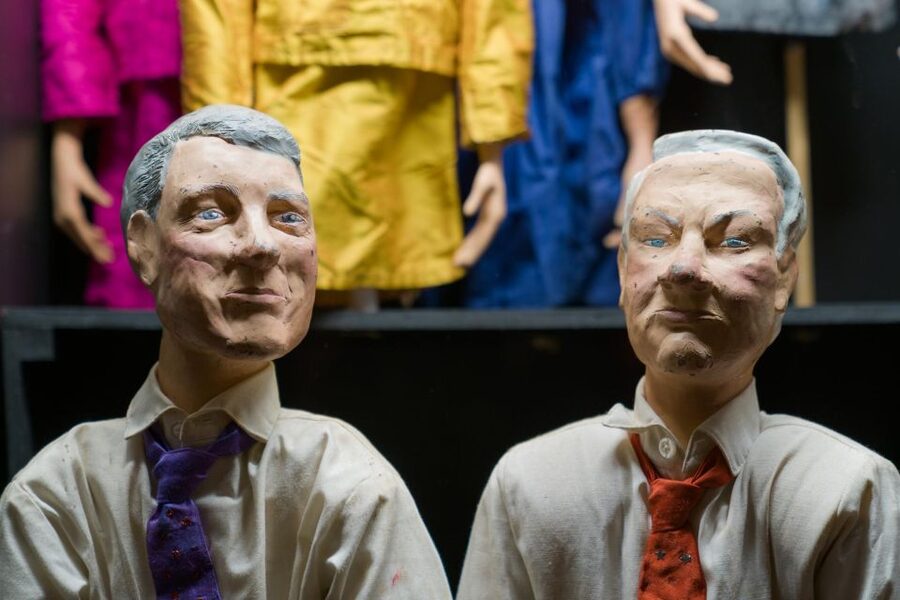
Porto’s puppet museum lets you move beyond looking at objects behind glass: in a dedicated room, you can handle puppets or try operating lights and sound. That hands-on element gives the visit a playful point of entry, while the puppets and stage objects introduce the work of João Paulo Seara Cardoso and his company, Teatro de Marionetas do Porto.
I like two things in particular: the museum connects its displays to actual performances through video excerpts, and its accessibility provisions go well beyond a basic wheelchair-accessible entrance. Tactile puppets, podotactile flooring, Portuguese audio description and a video guide in Portuguese Sign Language make the experience more usable for people with different needs.
One consideration: the ticket is valid for a day, but no visit duration is specified, and this is a focused museum rather than a full-day attraction. If you are expecting a large collection or a long sequence of guided stops, you may find it short. Families and anyone curious about how puppetry works are likely to get more from it.
What to Know Before You Go
- Try the puppet controls: A dedicated room lets you manipulate puppets or work with lighting and sound.
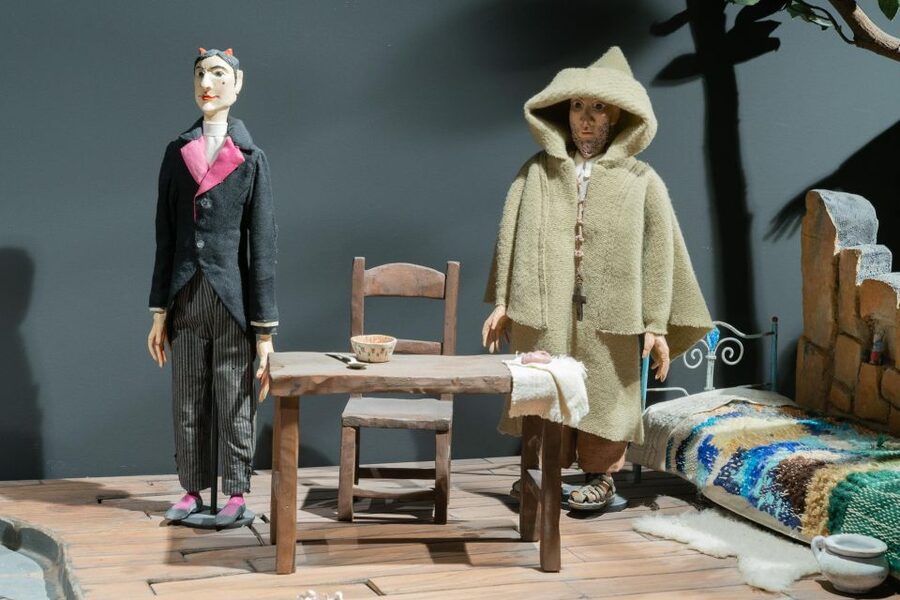
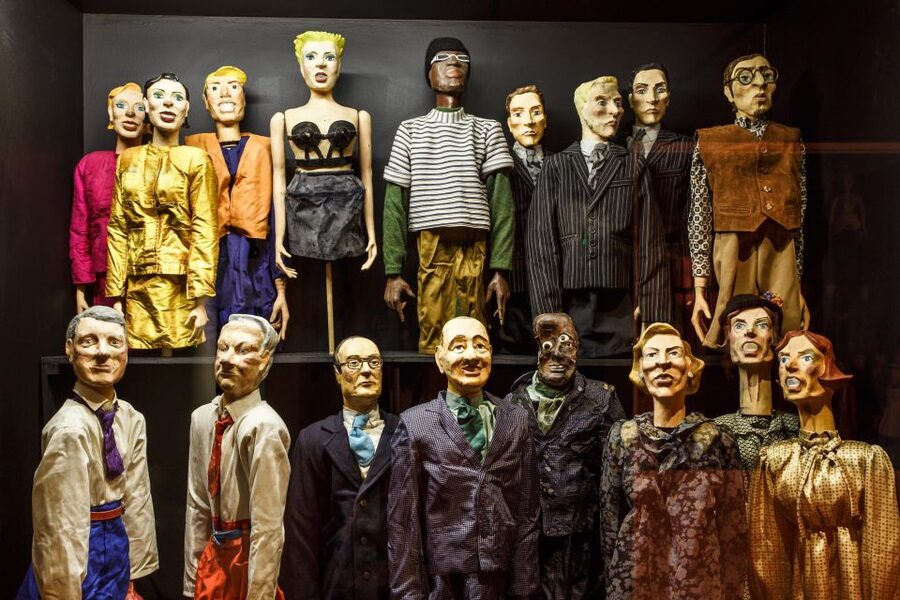
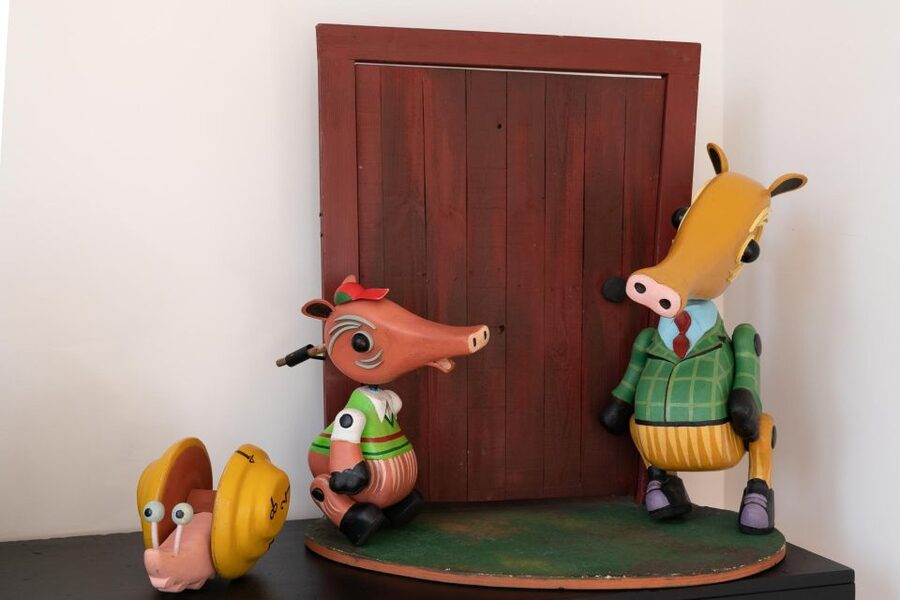
- See theatre objects in context: Puppets, stage props and symbolic objects connect the museum to the company’s productions.
- Watch performance excerpts: Video clips offer a glimpse of how objects work onstage, not just how they look on display.
- Use a video guide in your language: Portuguese, English, French and Spanish are available, along with a Portuguese Sign Language video guide.
- Expect thoughtful access features: The museum includes tactile puppets, podotactile flooring, Portuguese audio description and wheelchair access.
- Pay little for a distinctive visit: At $4.13 per person, the ticket offers a low-cost cultural stop in Porto, especially for families.
A Museum Built Around One Theatre Artist

Museu das Marionetas do Porto is an author museum, centered on João Paulo Seara Cardoso (1956-2010), founder and artistic director of Teatro de Marionetas do Porto. The focus gives the collection a clear point of view: you are not seeing a broad survey of puppetry from around the world, but the artistic world of one important Portuguese theatre-maker and his company.
That focus is useful if you want to understand how a creative practice develops. Puppets, props and other objects are shown as part of a body of work, with stories and performance excerpts helping connect them to the stage. Rather than treating the objects as isolated curiosities, the museum places them within the company’s artistic life.
The museum opened in 2013, marking the company’s 25th anniversary. After its first three years at Rua das Flores 22, it moved on September 29, 2016, to Rua de Belomonte, beside the company’s headquarters. Its architecture was designed by José Gigante.
The museum describes itself as a place of memory and future, and that is a useful way to approach it. You can look back at the founder’s work, but the institution also presents puppetry as a living art form that continues to change. The collection is not just a memorial to a past director. It is a way to share the company’s contemporary puppet work with the public.
More museum visits around Porto:
- FC Porto: Museum & Tour
★ 4.6 · 2,826 reviews - Porto: Entry Ticket at WOW – The Wine Experience Museum
★ 4.7 · 356 reviews - Porto: 3D Fun Art Museum Porto Entry Ticket
★ 4.6 · 302 reviews
Start With the Puppets and Stage Objects
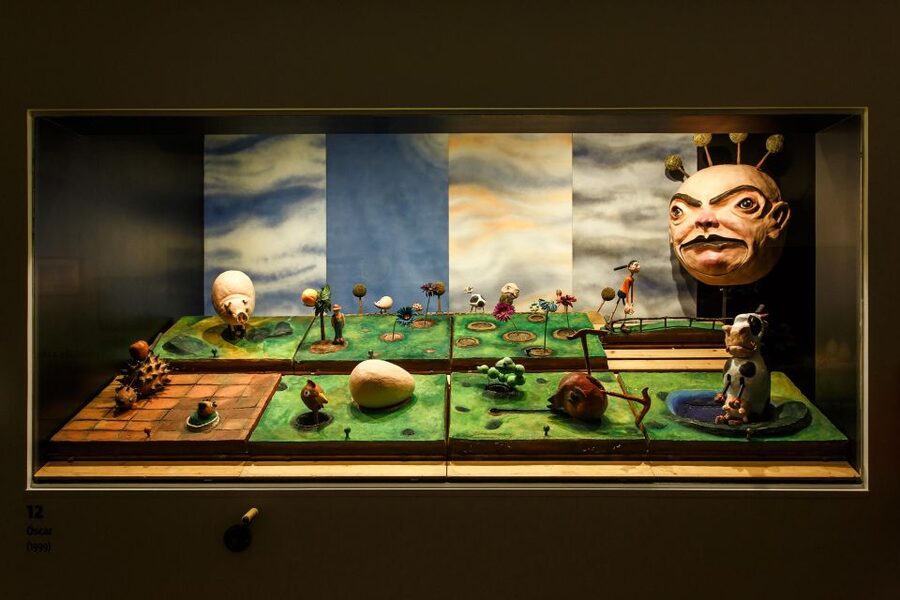
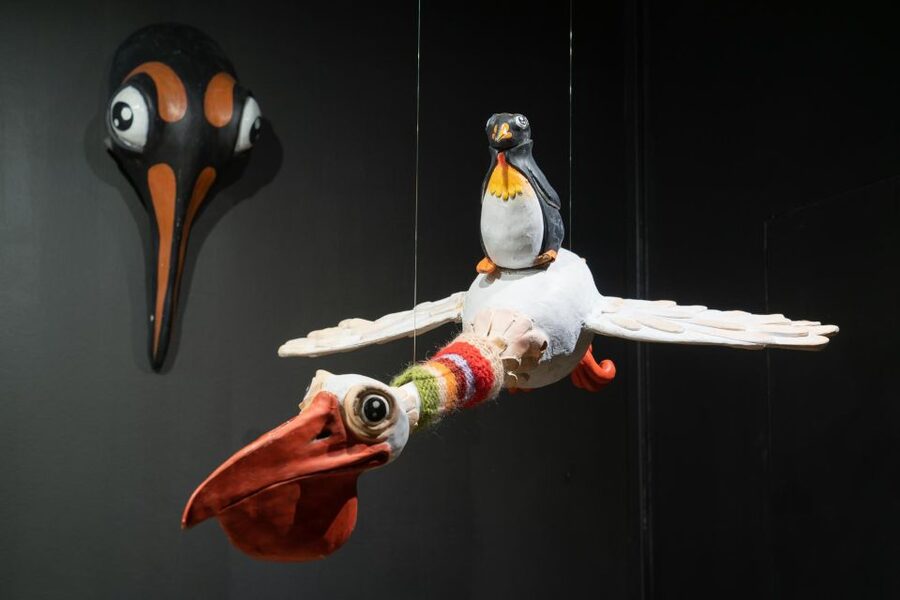
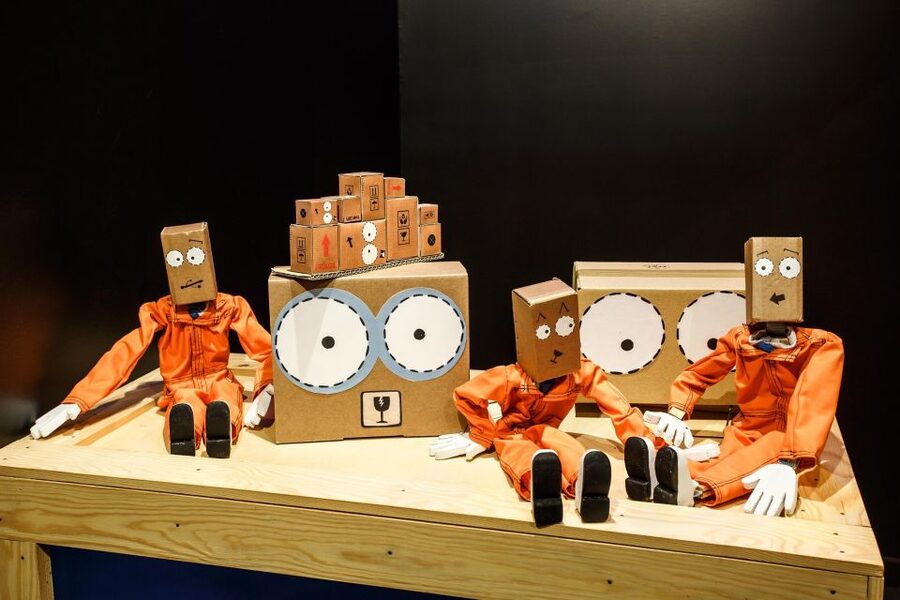
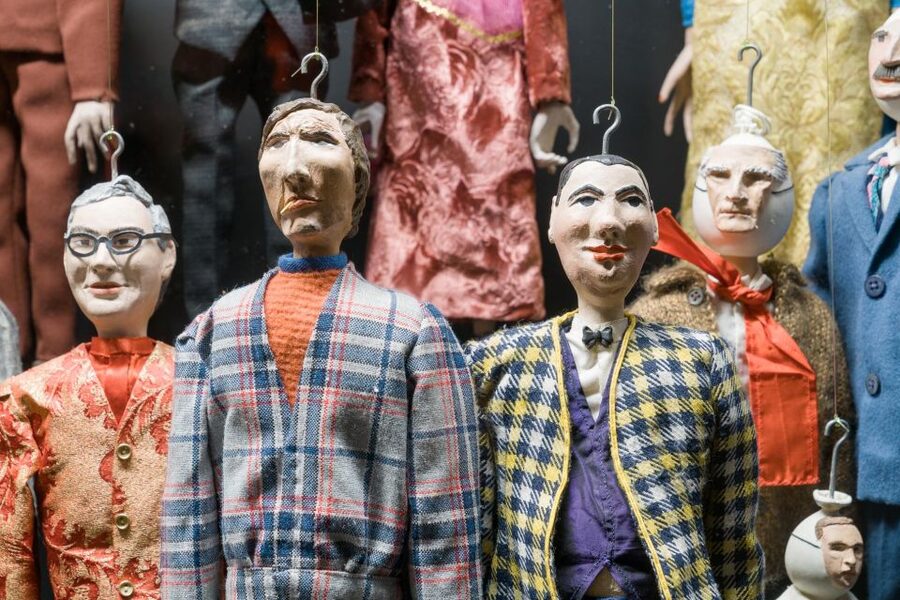
The displays include puppets, stage props and other symbolic objects used in performances. Their appeal is immediate, even if you do not know the company’s productions: a puppet can be both a crafted object and a character, and the theatrical setting gives its design a purpose.
Take time to notice the objects as tools of performance. A prop may carry meaning in a scene, while a puppet’s shape or features can suggest how it functions as a character. The museum’s emphasis on the company’s stories helps you think about those objects in relation to the work they were made for.
The exact order of the exhibits is not specified, so it is best not to plan around a fixed route. Instead, give yourself room to pause where a puppet or object catches your eye, then use the video material to add context. This is a compact museum visit, but its subject rewards close looking more than rushing from one display to the next.
Watch the Company’s Performance Excerpts
Video excerpts are one of the museum’s most useful features. They help answer a question that static displays cannot: what do these puppets and props do when they are part of a performance?
The clips also make the visit easier to follow if you are new to puppet theatre. You can see the objects in action and get a feel for the company’s stage work, rather than needing prior knowledge of particular productions. If you are visiting with children, this is a good way to link the objects in the displays to the imagination and storytelling behind them.
Video guides are available in Portuguese, English, French and Spanish. A separate video guide in Portuguese Sign Language is also offered. No individual guide name is provided, so plan on using the museum’s available guide material rather than expecting a named personal guide.
Make Time for the Hands-On Room
The dedicated experimentation space is the museum’s most active stop. You can manipulate puppets or try operating lights and sound, getting a small taste of the choices involved in putting a scene onstage.
This is more than a diversion for children. For adults, it gives a practical sense of how puppetry depends on movement, timing and coordination with other stage elements. Handling or operating something yourself can make the displayed puppets feel less like finished objects and more like instruments for performance.
A children’s area is included in the visit, which adds to the museum’s appeal for families. A father who visited with his daughter described the experience as enjoyable for both of them, and a separate comment praised it as particularly suitable for children because it encourages imagination. That fits the museum’s hands-on approach, though the exhibits also offer enough context for an adult visit without children.
More around Porto worth booking
- The Unvanquished Tour in Porto City Center
★ 5.0 · 26,497 reviews - From Porto: Douro Valley w/ Boat Tour, Wine Tasting & Lunch
★ 4.7 · 19,061 reviews - Complete Douro Valley Wine Tour with Lunch, Wine Tastings and River Cruise
★ 5.0 · 12,920 reviews - Porto: Live Fado Show with Glass of Port Wine
★ 4.8 · 6,498 reviews
Accessibility Is Part of the Visit
The museum has identified itself as an inclusive museum since 2017, and the access features are specific. Wheelchair access is available, and the museum also provides tactile puppets, podotactile flooring and audio description in Portuguese.
These options matter because they make access part of how the museum presents its subject, rather than an afterthought. Puppetry is a visual art, but tactile objects and audio description can offer other ways into the displays. The Portuguese Sign Language video guide adds another option for visitors who use sign language.
The access information lists Portuguese audio description specifically, so do not assume it is available in other languages. Video guides in Portuguese, English, French and Spanish provide language support for the broader visit, while the host or greeter languages are listed as Portuguese and English.
How Long to Allow and What the Ticket Covers
The activity is listed as valid for one day, but that describes the ticket’s validity, not the length of a visit. No set visit duration is provided. The museum is described as a focused, short experience, so it can fit well into a day of exploring Porto, but you should not treat the one-day validity as a promise of a full day’s worth of exhibits.
The ticket includes the museum visit, video guides, experimentation space and children’s area. At $4.13 per person, it is an inexpensive way to add a distinct cultural stop to your Porto plans. Its value comes from the combination of viewing, performance clips and hands-on access, not from a large-scale collection or a long guided tour.
That low price makes it easy to recommend if puppetry interests you, or if you are looking for an indoor activity that can engage children without requiring a large time or budget commitment. If you prefer museums with broad historical collections and many hours of exhibits, this one may feel modest. Its narrower focus is also its strength: the visit stays close to one company and one artist.
Who Will Enjoy This Museum Most
I would put this museum high on the list for families with curious children, theatre fans and anyone interested in Portugal’s performing arts. The activity room gives children something to do, while the performance excerpts and objects offer adults a reason to look closely. A recent visitor called the experience short and sweet, which is a fair expectation to carry in.
It can also suit visitors who appreciate accessible cultural spaces. The tactile and audio features are unusually relevant to the collection, and wheelchair access is available. If you need a particular access feature, check that it meets your needs before booking, especially since audio description is specified in Portuguese.
The museum is less suited to anyone seeking a general history of Porto or an extensive survey of puppets from many countries. Its purpose is more specific: preserving and sharing the work of João Paulo Seara Cardoso and Teatro de Marionetas do Porto. You will get the most from it if that focused story sounds appealing.
Is the Ticket Worth It?
At $4.13 per person, I think this is an easy addition to a Porto itinerary if you have any interest in theatre, design or family-friendly cultural stops. The strongest reasons to go are the chance to experiment with puppets and stage controls, the connection to actual performances, and the museum’s unusually practical access features.
The main limitation is scale. This is a compact, author-focused museum, and the listed one-day validity does not mean the visit lasts all day. Book it for a specific, playful look at one company’s creative work, not as a substitute for a large museum visit. For that purpose, the price is very good.
FAQ
What is Museu das Marionetas do Porto about?
It focuses on João Paulo Seara Cardoso, founder and artistic director of Teatro de Marionetas do Porto, and the work of the company. Displays include puppets, stage props and other objects used in performances.
Can I try operating the puppets?
Yes. A dedicated experimentation room lets you manipulate puppets or operate lighting and sound.
What languages are available for the video guides?
Video guides are available in Portuguese, English, French and Spanish. The museum also offers a video guide in Portuguese Sign Language.
Is the museum wheelchair accessible?
Yes, the activity information lists the museum as wheelchair accessible. Other access features include tactile puppets, podotactile flooring and Portuguese audio description.
What is included with the ticket?
The ticket includes the museum visit, video guides, the experimentation space and the children’s area.
How long is the visit?
The ticket is valid for one day, but no specific visit duration is given. The museum is described as a short experience, so the one-day validity should not be taken as an indication that the visit lasts a full day.
Just in around Porto
- Porto : Private Tour of the Historic City in a Classic Ford T★ 5.0 · 13 reviews
- Workshop Nate Pastel and Cocktails in Porto★ 5.0 · 64 reviews
- Pastel de Nata Workshop in Porto★ 5.0 · 127 reviews
- Private Tour to Lamego and Viseu, the Dão wine region★ 5.0 · 3 reviews
- Douro Valley Private Day Trip including Boat Ride & Wine Tasting★ 5.0 · 96 reviews
- Porto City Tour with Wine Tasting★ 3.5 · 30 reviews
- Adventure Paiva Passages: Suspension Bridge and Picnic | Porto★ 4.5 · 4 reviews
- Paiva Walkways & Arouca Suspension Bridge – All Inclusive!★ 5.0 · 62 reviews
Porto Museum Tickets, compared.
Cálem Cellar Tour, Interactive Museum & Wine Tasting
Read our review →

Entry Ticket at WOW – The Wine Experience Museum
Read our review →


Browse the lists this tour appears in