
Reviewed · PORTO COOKING CLASSES
Porto: Pastel de Nata Pastry-Making Workshop
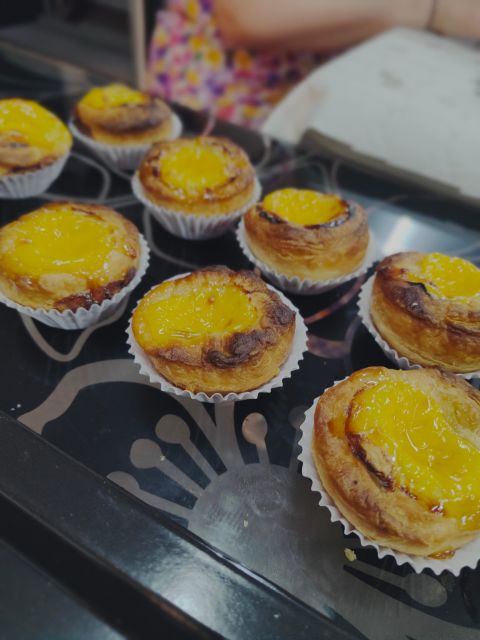
Pastel de nata is best understood warm, with flaky pastry, a soft egg custard, and a darkly spotted top. In this Porto workshop, you make the famous tart in a small group, sip Port, wine, or a mimosa, and leave with pastries of your own.
I like two things in particular: the friendly, hands-on format, where the instructor brings participants into different stages of the recipe, and the useful local tips shared while you work. It’s also a social activity that can suit solo visitors as well as couples and groups.
One point to know before booking: the pastry dough is prepared ahead of time because it needs hours to rest. You’ll roll and shape it, and help make the filling, but this isn’t a from-scratch dough class.
At a glance
- The setting: Boiler Studio is at Rua Chã 77, on a typical street opposite Porto Cathedral.
- The class: In 90 minutes, you’ll roll prepared dough, make egg custard, and take part in the baking process.
- The drink: Your included glass can be Port, regular wine, or a mimosa. Some sessions may include more than one drink, but one is the stated inclusion.
- The group: Classes are limited to nine people. If your party has more than eight, contact the studio for details.
- The take-home treat: You receive at least two pastel de nata in a cardboard box. Some participants have made three each, but the number can vary.
- The price: At $41 per person, the cost covers instruction, a drink, and pastries, along with a relaxed activity in central Porto.
A pastry lesson by the cathedral
Boiler Studio sits on Rua Chã, opposite the Cathedral, in the historic center. The location is handy if you’re already exploring this part of town: São Bento Station, the Luís I Bridge, and Time Out Market are among the nearby landmarks named by the studio.
The meeting point is a practical detail worth checking before you set off. Porto’s old streets can be steep and confusing, so use the full address, Rua Chã 77, rather than relying on a general direction to the Cathedral.
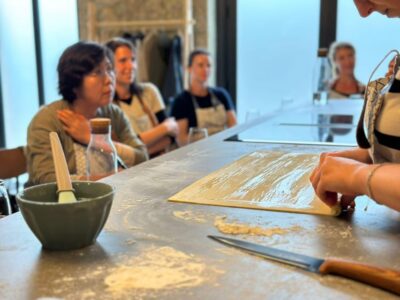
Inside, expect a workshop rather than a formal cooking-school setup. The class is designed to be sociable, with an instructor guiding the group through the recipe and making room for conversation. The small maximum group size helps keep the session from feeling like a demonstration watched from the back of a crowd.
That format matters because pastry work can involve a lot of small steps. Instructors including Maria, Sara, Patricia, Ana, Alice, and others have led sessions, so you should not count on a particular person unless the studio confirms it. The consistent feature is an English-language lesson with an instructor who explains the process and encourages participation.
More cooking classes around Porto:
- Porto: Pastel de Nata Cooking Class with Port Wine – Sé
★ 4.8 · 888 reviews - Workshops Pasteis de Nata in Porto, Portugal
★ 4.9 · 520 reviews - Pastel de Nata | Workshop from scratch | Porto’s city center
★ 5.0 · 449 reviews
Rolling pastry and making custard
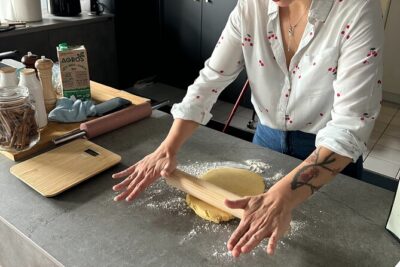
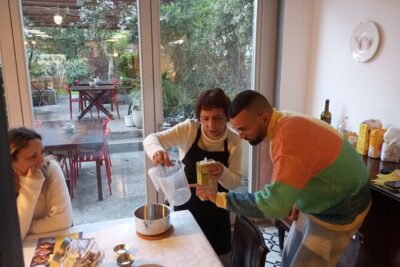
The workshop begins with a step-by-step introduction to pastel de nata. You’ll learn about the pastry and its preparation, then move into the practical parts: rolling and shaping the dough and helping make the egg custard.
There’s an important distinction between making the pastries and making every component from scratch. The dough is prepared in advance because it takes about three hours to rest properly, and the workshop lasts only 90 minutes. You still work with it yourself, but you won’t mix and rest the dough during class.
That trade-off makes sense for a short session. Preparing the dough ahead gives you time to learn the shaping and filling steps and enjoy the group atmosphere without turning the class into a much longer technical lesson. If learning to make the dough from the first ingredient is essential to you, ask the studio about a private workshop before booking.
The instructor shares the stages among the group. The process is interactive, but it may not mean every person performs every single step on every tart. If you want a role in all stages, ask about arranging a private class. This is especially useful for keen home bakers who want more practice than a shared demonstration allows.
The class includes a recipe, and you can take notes on the details that matter to your own kitchen. Pay attention to the instructor’s practical tips as well as the printed instructions: participants have valued advice they could use to recreate the tarts at home. One home-baking note from a past participant was that a single pack of baking dishes may not be enough if you’re making a large batch for a crowd. That is the sort of detail that can save you time later.
A drink and a chance to talk
While the pastries bake, the class shifts from hands-on work to conversation. Your included drink may be Port, regular wine, or a mimosa, and the instructor often uses this pause to share local food suggestions and tips for exploring Porto.
The social side is a real part of the appeal. The group is small enough to feel personal, yet it can bring together people from different countries and backgrounds. If you’re traveling solo, this gives you an easy way to meet others without needing to arrive with a companion. Couples and friends can share the task, while families with older children can make it a joint activity.
The atmosphere depends in part on the group and the instructor, so no class can promise a particular kind of banter. But the format leaves room for questions and conversation, rather than keeping everyone quiet and focused on a lecture. Instructors such as Maria, Patricia, and Sara have been praised for bringing people into the activity and making the explanations clear and lively.
The local food advice is a useful extra, not a full food tour. You’re not going around the city to visit restaurants, and the class doesn’t include a meal. Instead, you can use the relaxed setting to ask the instructor where to eat or what else to try in Porto.
Warm tarts, then a box for later
When the pastel de nata come out of the oven, you get to taste the results. The pastries you take home are packed in a cardboard box, with at least two included. The precise number can vary: some participants have left with three each, but it’s better to treat two as the guaranteed minimum.
This is a nice balance between eating something fresh in the studio and saving a little for later. The tarts are fragile, so the box is practical, though you’ll still want to carry it carefully as you continue around town.
There’s also a satisfying payoff in making something you may have already sampled in cafés and bakeries. You get a clearer sense of the work behind the crisp pastry and creamy center, and you leave with a recipe to try at home. Don’t expect to master every pastry technique in an hour and a half, but you’ll have a useful introduction and a taste of your own effort.
More hands-on workshops around Porto:
- Porto: Small Group Surf Lesson with Transportation
★ 4.9 · 594 reviews - Porto: Tile-Painting Workshop with Porto Wine – Bainharia
★ 4.9 · 526 reviews - Port Wine class with 3 or 5 Port tasting and pairings
★ 4.9 · 441 reviews - Porto: Pastel de Nata Cooking Class with Porto Wine (Sé do Porto)
★ 5.0 · 340 reviews
Is $41 good value?
At $41 per person, this is more than the price of a couple of pastries at a café, but you’re paying for an activity, not just a snack. The fee includes the 90-minute lesson, an alcoholic drink or mimosa, and at least two pastries to take away. It also buys a central Porto location and instruction in English.
The value is strongest if you want to do something participatory and meet people while learning a local recipe. If all you want is to eat pastel de nata, a bakery stop will cost less and take less time. If you’re curious about how the tarts are made, or you want a relaxed indoor activity that gives you a recipe to bring home, the workshop offers more than a tasting.
The short duration also helps fit it into a busy city break. You don’t need to set aside half a day, and the studio’s central location makes it easy to combine with sightseeing nearby. Starting times vary, so check availability when choosing a date.
The class has a strong 4.9 rating from 1,542 reviews. That high score is consistent with the parts of the format that matter most: engaging instructors, a friendly group, clear steps, and tasty results. Still, keep your expectations grounded. This is a sociable introduction, not an intensive pastry course, and the dough is made ahead.
Who will enjoy this class most?
I’d recommend it to anyone who likes pastel de nata and wants more from the treat than a quick stop at a bakery. It also suits solo visitors looking for an easy group activity, couples wanting a shared afternoon, and friends who enjoy cooking together.
Families can bring children aged 10 and older. Children under 10 are not suitable for this activity, so check the age limit before making plans.
Home bakers will get a recipe and practical pointers, but should understand the limits of the class. You’ll work with prepared dough, and the group shares the steps. For a more hands-on role throughout, ask about a private workshop. Groups over eight should also contact the studio for more information, even though the regular class maximum is nine.
If you have dietary requirements or other needs, the information provided here does not specify how they are handled. Contact the studio before booking rather than assuming it can accommodate them.
Should you book it?
Book this if you want to learn the basics of pastel de nata, enjoy a drink, and spend time with a small group in central Porto. The location, recipe, instructor-led steps, and take-home pastries make the $41 price reasonable for a hands-on activity.
Skip it if your main goal is a full from-scratch pastry lesson. The dough is prepared ahead, and the group shares the work. For most visitors, that’s a fair trade for a compact, social class that leaves you with warm tarts, useful tips, and a recipe to try back home.
FAQ
How long does the workshop last?
The workshop lasts 1.5 hours. Starting times vary, so check availability for your chosen date.
Where does the workshop take place?
It takes place at Boiler Studio, Rua Chã 77, on a typical street opposite Porto Cathedral.
What will I make?
You’ll roll and shape prepared pastry, help make egg custard, and take part in making pastel de nata.
Is the dough made during the class?
No. The dough is prepared in advance because it needs about three hours to rest. You’ll work with the prepared dough during the workshop.
What drink is included?
One glass of Port wine, regular wine, or a mimosa is included.
How many pastries can I take home?
You can take at least two pastel de nata home in a cardboard box. The number may vary.
Can children join the workshop?
Children aged 10 and older are welcome. Children under 10 are not suitable for the activity.
What language is the class taught in?
The instructor teaches in English.
Just in around Porto
- Porto : Private Tour of the Historic City in a Classic Ford T★ 5.0 · 13 reviews
- Workshop Nate Pastel and Cocktails in Porto★ 5.0 · 64 reviews
- Pastel de Nata Workshop in Porto★ 5.0 · 127 reviews
- Private Tour to Lamego and Viseu, the Dão wine region★ 5.0 · 3 reviews
- Douro Valley Private Day Trip including Boat Ride & Wine Tasting★ 5.0 · 96 reviews
- Porto City Tour with Wine Tasting★ 3.5 · 30 reviews
- Adventure Paiva Passages: Suspension Bridge and Picnic | Porto★ 4.5 · 4 reviews
- Paiva Walkways & Arouca Suspension Bridge – All Inclusive!★ 5.0 · 62 reviews
Porto Cooking Classes, compared.
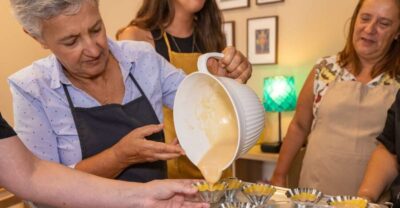
Pastel de Nata Cooking Class with Grandma’s Recipe
Read our review →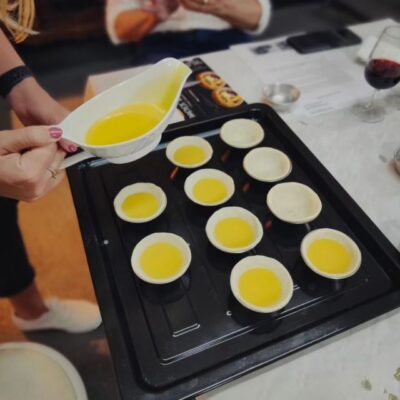
Pastel de Nata Cooking Class with Port Wine – Sé
Read our review →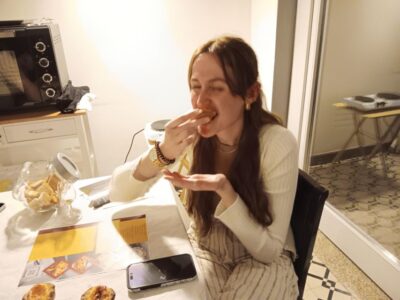
Pastel de Nata | Workshop from scratch | Porto’s city center
Read our review →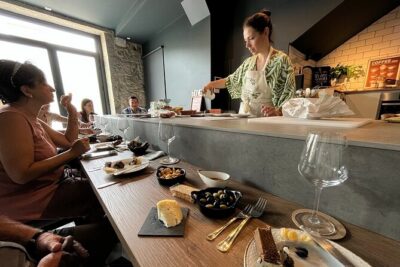
Porto center- Workshop “A nata do BJ” making pasteis de nata
Read our review →Browse the lists this tour appears in