
Reviewed · PORTO MUSEUM TICKETS
Visit to Gil Eannes hospital Ship Museum
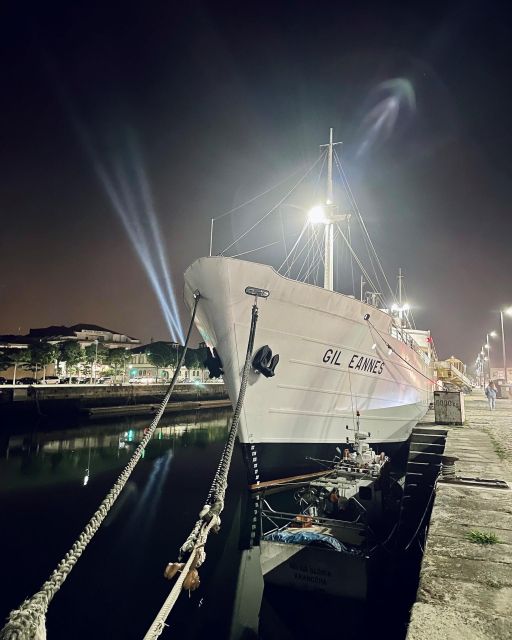
The Gil Eannes was built to bring medical care to cod fishermen working in the cold waters off Newfoundland and Greenland. On board, the story is not limited to the operating theatre: this was also a supply ship, tugboat, icebreaker, mail ship, and spiritual refuge far from shore.
I like two things especially: the ship’s restored working spaces make its many roles tangible, and the connection to the hard daily life of the 1950s fishing fleet gives the visit a human focus. You can move from the doctor’s rooms to the bakery and engine room, seeing how care, food, work, and worship shared the same vessel.
The main consideration is access. The ship is not suitable for people with mobility impairments or visual impairments, so check whether its layout works for you before booking. Also confirm the child-ticket offer at the entrance if you are travelling as a family.
Key points to know
- A hospital ship with several jobs: Gil Eannes treated fishermen, but also carried mail and supplies and served as a tugboat and icebreaker.
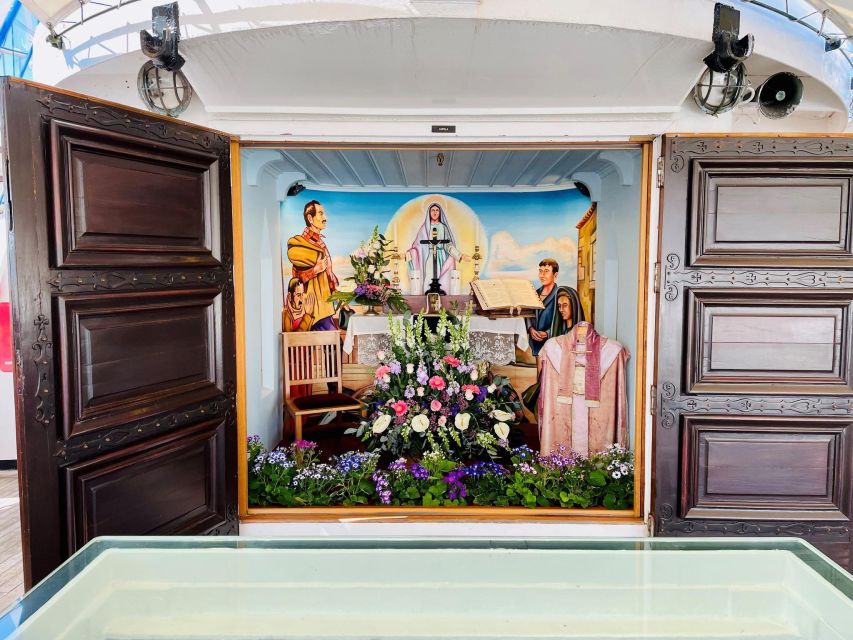
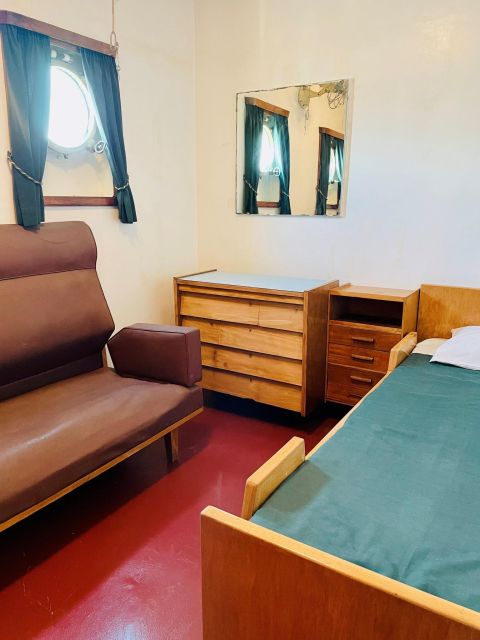
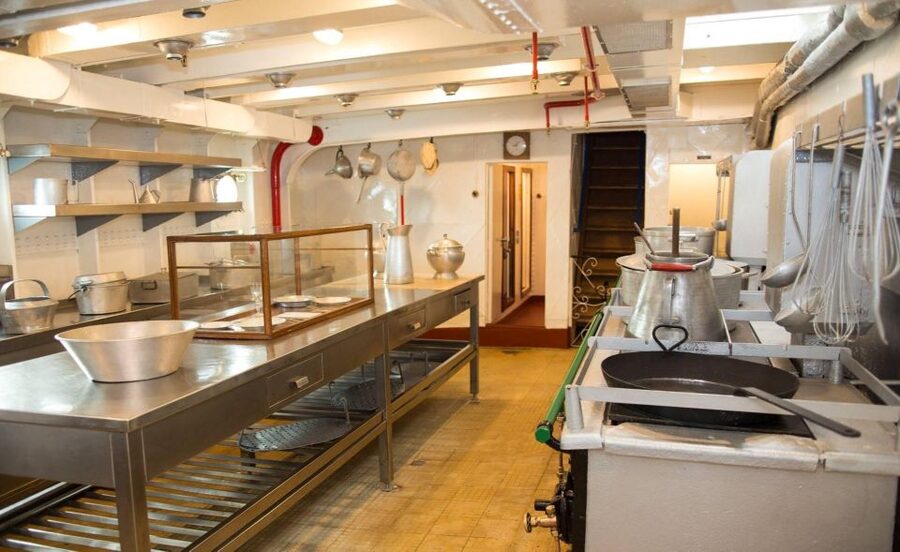
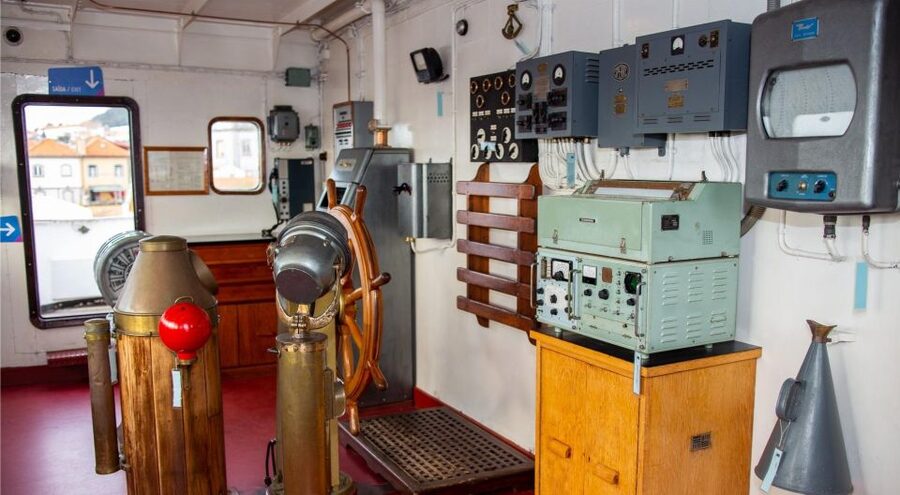
- A close look at shipboard life: Explore the bridge, galley, bakery, engine room, operating theatre, medical rooms, cabins, and chapel.
- A story rooted in Viana do Castelo: Built locally in 1955, the ship was rescued from the scrapyard and returned to the city in 1998.
- A modest entry price: Admission is $6 per person, with tickets valid for one day.
- Family pricing needs a quick check: With two tickets, you may add up to four children aged 7 to 16 for 2€ extra, payable at the ship.
- Plan around access needs: The experience is not suitable for people with mobility impairments or visual impairments.
A ship built for the cod fleet
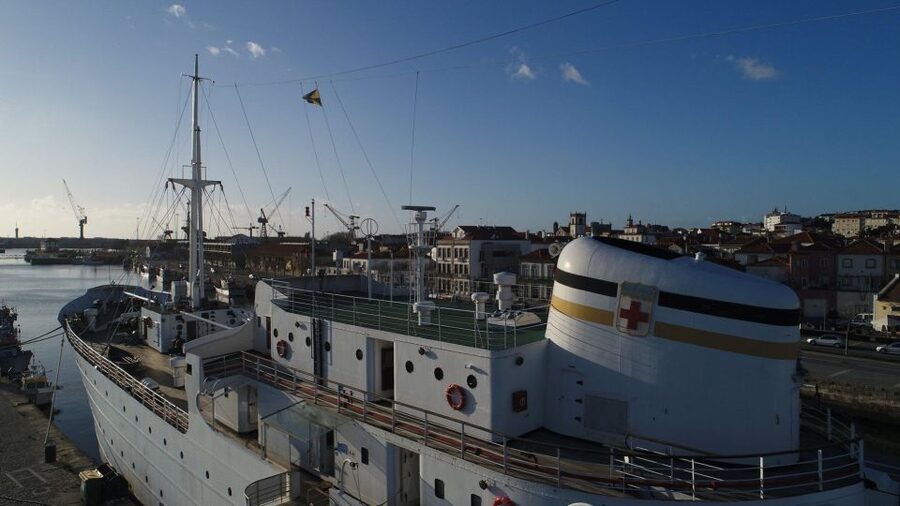
Gil Eannes was launched from the Viana do Castelo shipyard in 1955, at a time when Portuguese cod fishing took crews far from home to the waters around Newfoundland and Greenland. Fishing in those cold, distant grounds demanded more than a working vessel. Crews needed medical help, food, fuel, equipment, and a way to stay connected to the outside world.
The ship’s central task was to provide medical assistance to fishermen and other crew members. But its work extended well beyond that. It could carry provisions, nets, bait, and fuel; serve as a mail ship; tow other vessels; and break ice. It also had a chaplain on board, offering spiritual and religious guidance.
That range of jobs helps explain why the visit feels different from a tour of a ship with one clear purpose. You are looking at a floating service centre for a remote fishing fleet. The hospital mattered, of course, but so did the bakery, galley, engine room, and all the other spaces that kept the vessel and its people going.
More museum visits around Porto:
- FC Porto: Museum & Tour
★ 4.6 · 2,826 reviews - Porto: Entry Ticket at WOW – The Wine Experience Museum
★ 4.7 · 356 reviews - Porto: 3D Fun Art Museum Porto Entry Ticket
★ 4.6 · 302 reviews
From medical care to everyday shipboard work
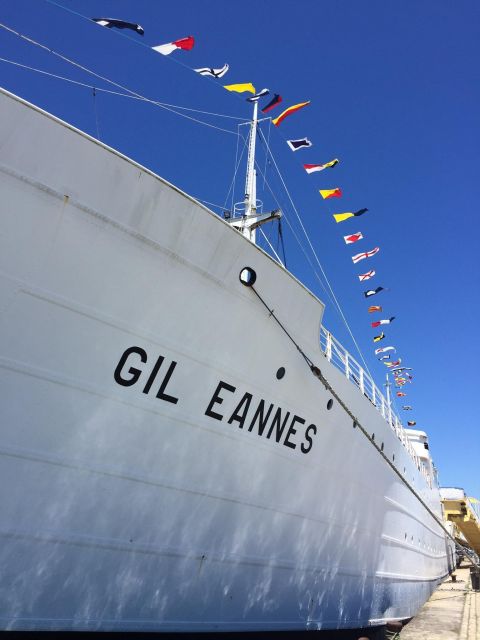
The ship’s restored spaces give you a practical route into its story. You can visit the bridge, where the vessel was directed, then continue through working areas such as the engine room, galley, and bakery. These places bring the ship’s daily routines into view, not just its headline medical role.
The operating theatre is an obvious stop, and one of the most striking. It shows the kind of medical space available when a fisherman needed treatment far from a hospital on land. Nearby are the doctor’s surgery room, treatment room, and radiology room, each adding another part of the ship’s care system.
You can also see cabins, a chapel, and temporary exhibition rooms. Together, these spaces make the vessel feel less like a single-purpose hospital and more like a small, self-contained working community. The chaplain’s presence is a reminder that the ship addressed more than physical needs, especially during long stretches at sea.
The museum is set up for you to navigate through its restored areas. You are not simply standing outside and looking at the ship’s hull; the point is to move through its rooms and get a feel for how the vessel functioned. The full route and the time you spend in each room are not specified, so allow yourself room to explore rather than expecting a timed sequence.
What the ship tells you about life at sea
The most useful way to read Gil Eannes is to keep the fishermen in mind. The ship’s facilities existed because cod crews were working far from the everyday support of home. A medical room or a supply delivery was not a minor convenience in that setting. It could be a vital link between a remote fleet and the care and resources it needed.
The ship also helps you picture the conditions behind the fishing industry. The experience is meant to give you a sense of the hard living conditions faced by cod fishermen in the 1950s. You will not find a fishing boat here, but the hospital ship offers a view of the wider system that supported the fleet, and the physical spaces help make that context more concrete.
I find the contrast between the medical rooms and the ordinary work areas especially useful. A ship can sound impressive when described as a hospital, icebreaker, or supply vessel. Seeing the rooms where people cooked, worked, received treatment, and worshipped makes those roles easier to understand as parts of one demanding life at sea.
The visit also connects maritime history with local history. Viana do Castelo built the ship, and local people later helped save it. That gives the museum a strong sense of place: this is not just a ship displayed in a convenient port, but a vessel brought back to the city where it began.
The journey home from the scrapyard
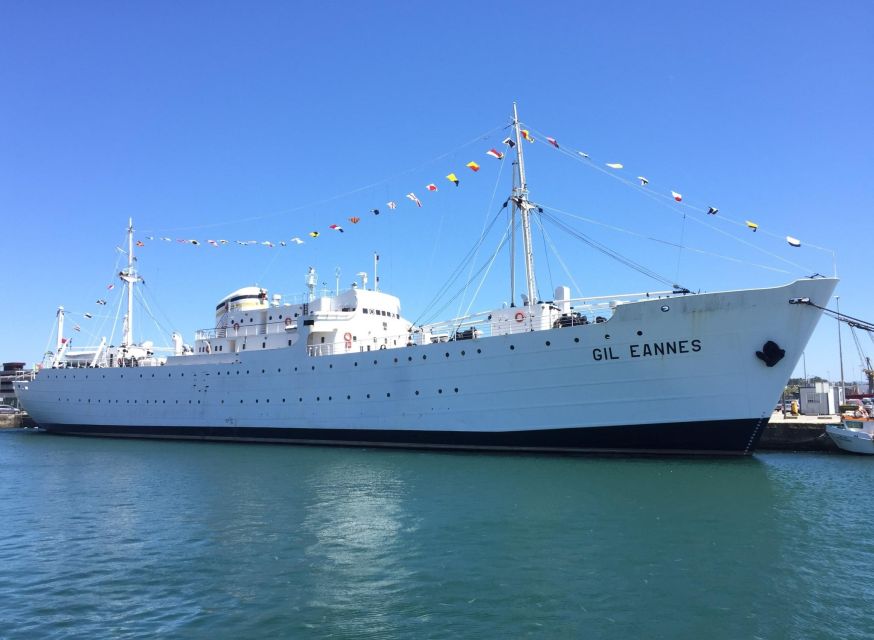
Gil Eannes completed its final voyage in support of the fishing fleet in 1973. In 1975, it made a last journey as a hospital ship, providing medical and hospital assistance during the withdrawal of troops when Angola became independent.
The ship was decommissioned in 1984 and docked in Lisbon. It was moved from pier to pier before being sold to a scrap dealer in 1997. By then, much of its equipment had been ransacked, and the vessel was in poor condition, with dismantling planned.
That could have been the end of the ship. Instead, the Vianense community joined forces to bring it home. Gil Eannes returned to Viana do Castelo on January 31, 1998, and underwent major restoration at the local shipyard before opening to visitors at the city’s old commercial port.
Knowing this sequence changes the way you look at the restored interiors. The museum is not only about a working ship and its old routines. It is also about the effort to keep a piece of local maritime heritage from being lost. The ship’s survival is part of the visit’s story, even if the rooms and equipment remain its main focus.
Prefer a different pace:
- The Unvanquished Tour in Porto City Center
★ 5.0 · 26,497 reviews - From Porto: Douro Valley w/ Boat Tour, Wine Tasting & Lunch
★ 4.7 · 19,061 reviews - Complete Douro Valley Wine Tour with Lunch, Wine Tastings and River Cruise
★ 5.0 · 12,920 reviews - Porto: Live Fado Show with Glass of Port Wine
★ 4.8 · 6,498 reviews
Is $6 good value?
At $6 per person, the ticket is a reasonable buy if you enjoy ships, medical history, or the daily mechanics of life at sea. You are paying for entry to a restored museum vessel with many spaces to explore, rather than a brief view from the dock. The combination of medical, industrial, domestic, and religious areas gives the visit more range than the word hospital ship might suggest.
Value depends on your interests and how much time you want to spend examining the ship. If you are curious about maritime history, the setting offers plenty to notice. If you only want a quick look at a boat, the details of the rooms and the ship’s story may matter less to you.
The activity is listed as valid for one day, and you should check availability for starting times. No fixed visit duration or detailed schedule is provided, so it is sensible to keep your timing flexible. The entry ticket is included; the information does not specify other services or products as part of admission.
Families should pay particular attention to the child offer. If you buy two tickets, you may add up to four children aged 7 to 16 for 2€ extra, paid directly at the ship entrance. Because the wording around children’s admission can be unclear, confirm the exact amount and how it applies before relying on the deal. One Portuguese-language comment raised a concern about the child ticket being different from what was advertised, making a quick check worthwhile.
Practical details before you go
Present your voucher at the ticket counter before the visit begins. The available host or greeter languages are Portuguese, Spanish, and English. No individual guide names are provided, so do not book expecting a named guide or a particular language-specific tour unless you confirm that directly.
You can cancel up to 24 hours in advance for a full refund. There is also a reserve-now, pay-later option, which can help if your plans are not settled. These terms are useful, but the main planning issue is whether you can comfortably move around the ship and see its spaces.
The vessel is not suitable for people with mobility impairments or visual impairments. If either applies to you or someone in your group, contact the provider before booking to clarify what can be accessed. The available information does not give further detail about steps, routes, or specific accommodations, so it is better not to assume.
Who will get the most from Gil Eannes?
This is a strong choice if you like ships that tell a story through their working spaces. It is especially suited to anyone interested in medicine, fishing, Portugal’s maritime past, or the practical challenges of supporting crews far from shore. The operating theatre may draw you in, but the engine room, bakery, galley, cabins, and chapel fill out the picture.
It also works well as a history visit with a local angle. The ship’s construction in Viana do Castelo and its rescue by the community tie the museum to the city, while its fishing and later hospital work connect it to wider events.
You may find it less satisfying if you need a fully guided, timed tour or detailed accessibility information before you arrive. Neither is specified here. The visit’s appeal rests on exploring the restored spaces and piecing together how the ship served its crew and fleet.
Should you book the visit?
I would book Gil Eannes if the idea of walking through a 1950s hospital ship appeals to you. Its best feature is the way its many rooms show that medical care was only one part of keeping a remote fishing fleet alive. At $6, it offers good value for a curious visitor who wants more than a quick photo of a ship.
Before you commit, check the child-ticket terms if you are travelling with children, and be realistic about the access limitations. If you can manage the ship’s layout and enjoy looking closely at working spaces, this is a worthwhile stop in Viana do Castelo.
FAQ
Where is the Gil Eannes Hospital Ship Museum?
It is in Viana do Castelo, in Portugal’s Norte Region, at the city’s old commercial port.
How much does admission cost?
The listed price is $6 per person. Entry tickets to the ship are included.
How long is the ticket valid?
The ticket is valid for one day. Check availability for starting times.
What spaces can I see on board?
The restored museum spaces include the bridge, galley, bakery, engine room, operating theatre, doctor’s surgery room, treatment room, radiology room, cabins, chapel, and temporary exhibition rooms.
What languages are available?
Portuguese, Spanish, and English are listed for the host or greeter.
Is the ship suitable for people with mobility impairments?
No. The experience is listed as not suitable for people with mobility impairments.
Is the ship suitable for visually impaired people?
No. The experience is listed as not suitable for visually impaired people.
Is there a special price for children?
If you buy two tickets, you may add up to four children aged 7 to 16 for 2€ extra, paid directly at the ship entrance. Confirm the exact arrangement before relying on the offer.
Can I cancel my booking?
Yes. You can cancel up to 24 hours in advance for a full refund.
Just in around Porto
- Porto : Private Tour of the Historic City in a Classic Ford T★ 5.0 · 13 reviews
- Workshop Nate Pastel and Cocktails in Porto★ 5.0 · 64 reviews
- Pastel de Nata Workshop in Porto★ 5.0 · 127 reviews
- Private Tour to Lamego and Viseu, the Dão wine region★ 5.0 · 3 reviews
- Douro Valley Private Day Trip including Boat Ride & Wine Tasting★ 5.0 · 96 reviews
- Porto City Tour with Wine Tasting★ 3.5 · 30 reviews
- Paiva Walkways & Arouca Suspension Bridge – All Inclusive!★ 5.0 · 62 reviews
- Adventure Paiva Passages: Suspension Bridge and Picnic | Porto★ 4.5 · 4 reviews
Porto Museum Tickets, compared.
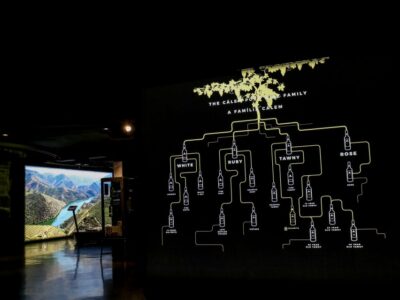
Cálem Cellar Tour, Interactive Museum & Wine Tasting
Read our review →

Entry Ticket at WOW – The Wine Experience Museum
Read our review →


Browse the lists this tour appears in