
Reviewed · PORTO MUSEUM TICKETS
Museum of Decorative Arts – Viana do Castelo
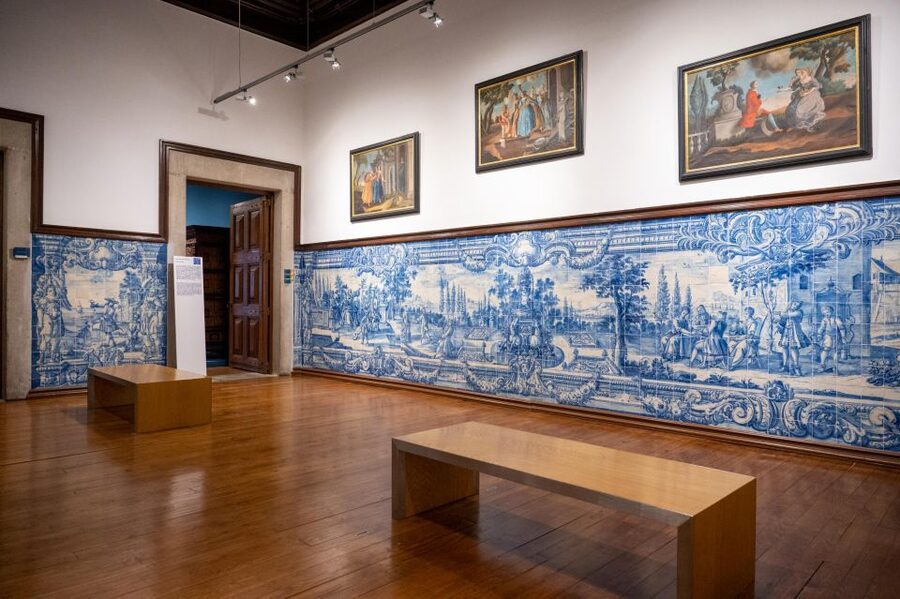
The tile panels are the first reason to make time for Viana do Castelo’s Museum of Decorative Arts. In rooms facing Largo de S. Domingos, 18th-century scenes of the four continents, hunting, and gardens turn the walls into part of the collection, not just a backdrop.
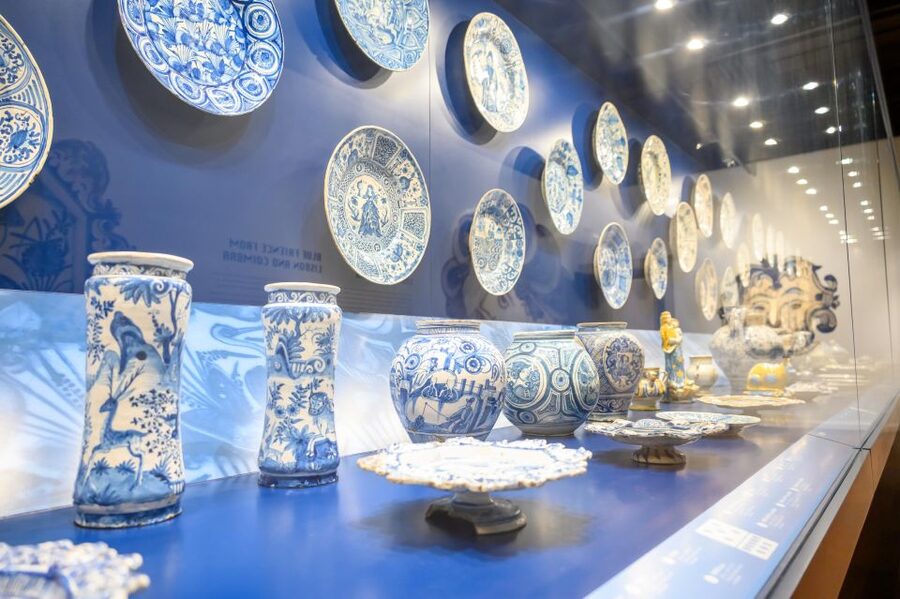
I like two things in particular: the National Faience collection, which puts Portuguese ceramics in their historical context, and the ticket’s access to the Costume Museum, where displays of old weddings and dowries give local customs a human scale.
One consideration: the museum’s host or greeter speaks Portuguese, and the available information does not describe a live tour in another language. Descriptive audio is offered, but if you need English explanations, check what is available before you go.
At a glance
- Lisbon-made tiles: Baroque panels in three rooms depict the four continents, hunting, and garden scenes.
- A tiled chapel: Biblical scenes are signed by painter Policarpo de Oliveira Bernardes, who lived from 1695 to 1778.
- Portuguese ceramics: The faience collection reflects the growth of earthenware production in the second half of the 18th century.
- Local life included: Your ticket also gives access to the Costume Museum, including displays about old wedding customs and dowries.
- A low entry price: At $2.83 per person, the ticket offers an economical way to see two museums.
- Practical access: The museum is wheelchair accessible and has descriptive audio and a nursery.
Start with the ceramics
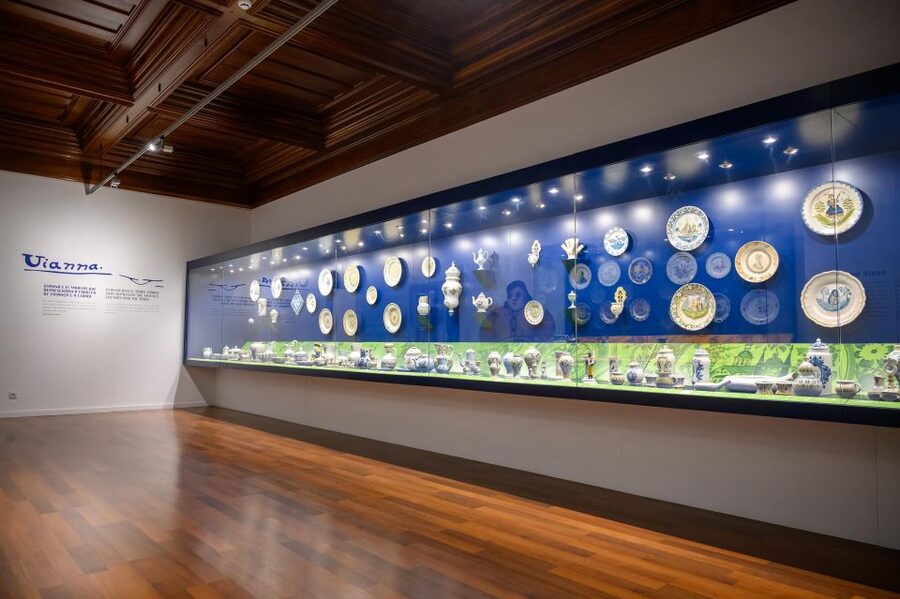
The museum’s faience collection gives you a useful reason to look beyond the tiles. Faience is a type of glazed earthenware, and the collection is described as one of Portugal’s most significant. You do not need to be a ceramics specialist to appreciate its value: it shows how everyday objects became part of a growing industry.
In the second half of the 18th century, reform and investment helped expand ceramic production. Manufacturing centers appeared in several places, and earthenware became more widely made. The museum connects that wider story to the objects on display, so you can consider both their craft and the change in production behind them.
Allow yourself time to look closely rather than rushing from room to room. The museum’s large exhibition spaces are intended to show substantial groups of works, and the faience is a central part of that experience. If you already enjoy decorative arts, this is likely to be a highlight. If ceramics are not usually your subject, the historical context may help make the collection more engaging.
More museum visits around Porto:
- FC Porto: Museum & Tour
★ 4.6 · 2,826 reviews - Porto: Entry Ticket at WOW – The Wine Experience Museum
★ 4.7 · 356 reviews - Porto: 3D Fun Art Museum Porto Entry Ticket
★ 4.6 · 302 reviews
Read the tiles as scenes, not wallpaper
On the main floor, rooms facing Largo de S. Domingos hold 18th-century tiles made in Lisbon and attributed to Valentim de Almeida. Their Baroque subjects include the four continents, hunting scenes, and gardens. Each panel rewards a slower look: notice the scene and its details, then step back to see how the tiles shape the room.
This is a particularly good place to pause if you tend to move quickly through museums. The panels are not isolated objects behind glass. They cover architectural surfaces, making the rooms themselves part of the display. That gives you a sense of how decorative art could influence the feel of an interior.
The descriptions identify the tiles as connected to Lisbon production and attribute them to a named artist. That specificity gives you something to look for as you move through the rooms. The available information does not give a detailed map or a prescribed route, so take the galleries at your own pace and watch for the tiled rooms on the main floor.
Step into the chapel
The museum’s chapel offers a change in subject and setting. Its historic tiles show biblical scenes and are signed by Policarpo de Oliveira Bernardes, a painter whose dates are given as 1695 to 1778. If the decorative rooms draw your eye to gardens and worldly themes, the chapel shifts attention to religious imagery.
I would save a little time for this room rather than treating it as a quick pass-through. It is another example of tilework integrated into an interior, but its subject matter gives it a different tone. The chapel also adds a named artist and a clear historical frame to the museum’s tile collection.
No separate chapel tour or guided explanation is specified. Descriptive audio is available at the museum, and the host or greeter speaks Portuguese. If you want more background in another language, check ahead rather than counting on an English-speaking guide.
Add the Costume Museum to your visit
The ticket includes access to the Costume Museum, which broadens the visit beyond ceramics and interiors. Displays about old wedding customs and dowries offer a more personal view of how people lived and what they valued. One especially striking subject is courtship in a time when couples dated without physical contact.
That material can make the visit feel less like a survey of objects and more like a glimpse into social expectations. Wedding customs and dowries connect clothing and household goods to family life, courtship, and marriage. If you are interested in how customs change, this part may stay with you longer than a case of beautiful objects.
The details provided do not specify the Costume Museum’s individual rooms or the exact order of its displays. Treat it as a second museum included with your ticket, not as a tightly timed add-on. If you have time for only a brief visit, you may want to prioritize the features that interest you most, then explore the other collection as time allows.
Prefer a different pace:
- The Unvanquished Tour in Porto City Center
★ 5.0 · 26,497 reviews - From Porto: Douro Valley w/ Boat Tour, Wine Tasting & Lunch
★ 4.7 · 19,061 reviews - Complete Douro Valley Wine Tour with Lunch, Wine Tastings and River Cruise
★ 5.0 · 12,920 reviews - Porto: Live Fado Show with Glass of Port Wine
★ 4.8 · 6,498 reviews
Look for Viana’s maritime story
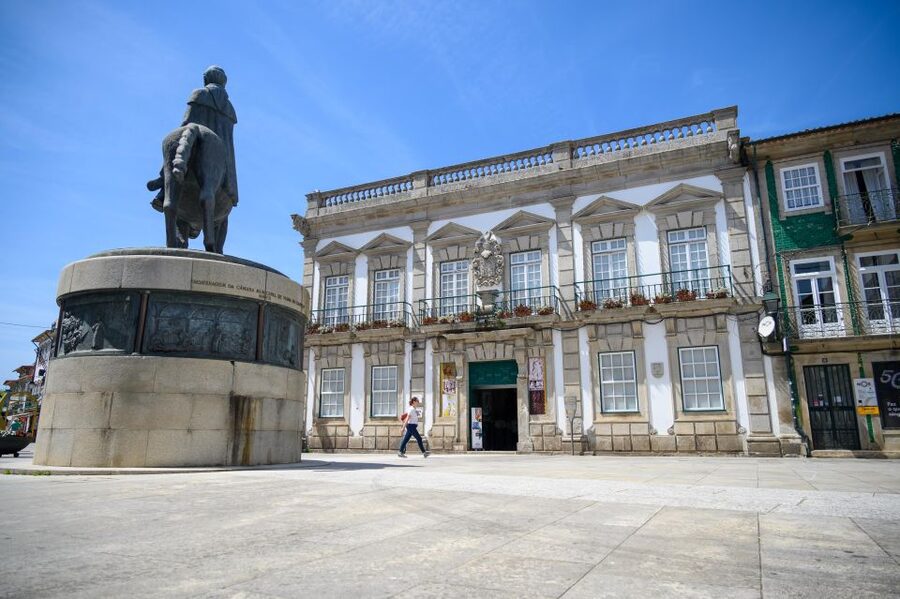
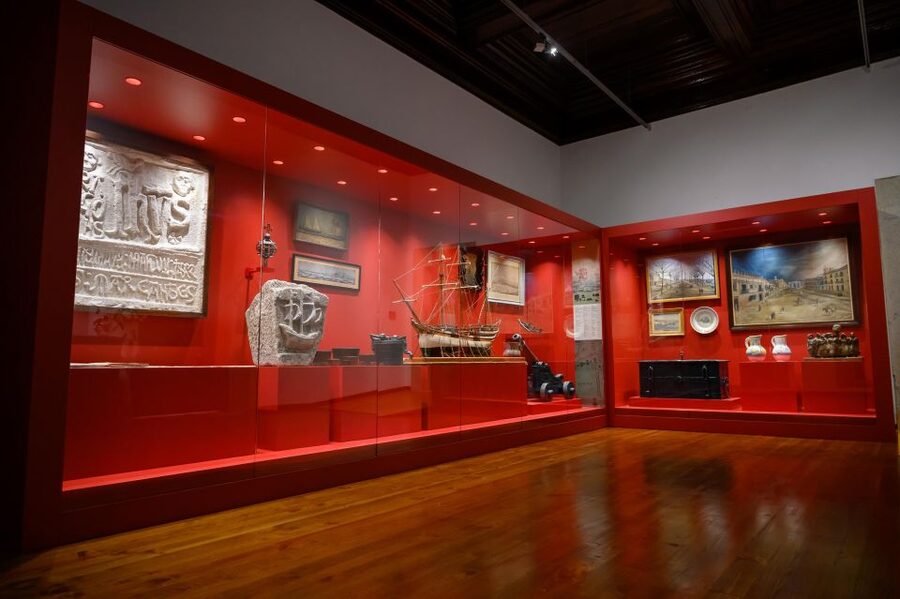
Some museum rooms tell the history of Viana and its maritime vocation. That local focus matters: decorative arts make more sense when you can connect them to the city and its working life, rather than viewing them as a series of fine objects without context.
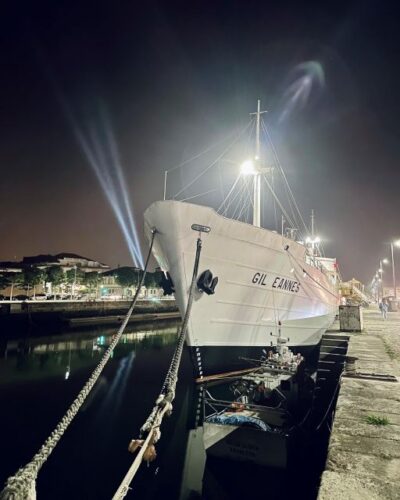
The available details do not name particular maritime objects or describe a dedicated gallery sequence. So go in expecting the museum to address Viana’s relationship with the sea, but do not plan around a specific ship, map, or exhibit unless you confirm it in advance. The strength here is the combination of local history with a broader look at Portuguese craft and domestic life.
For a compact museum visit, that mix is useful. You can move from ceramics and tilework to local identity, then to clothing and social custom at the Costume Museum. The subjects are different, but together they give you several ways to understand the place.
Is $2.83 good value?
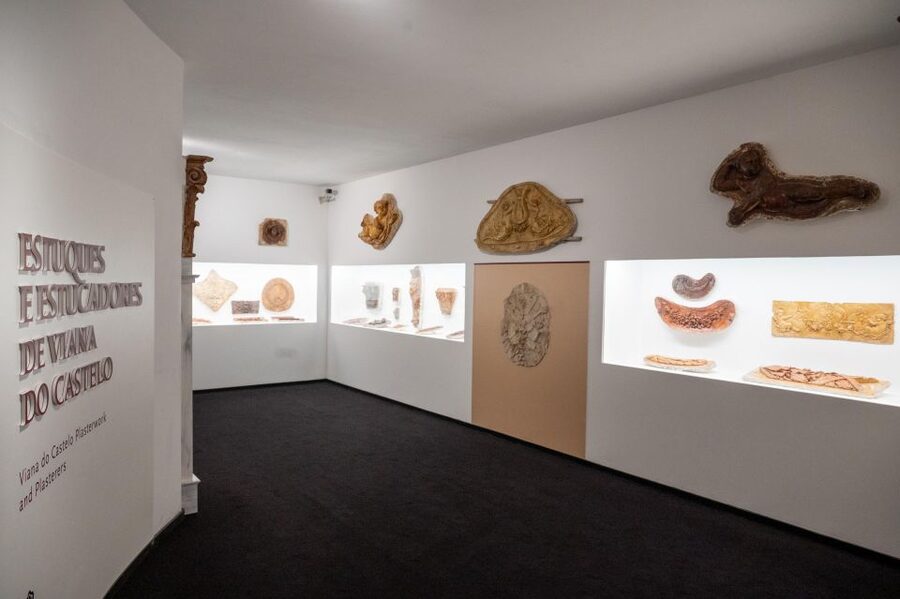
At $2.83 per person, the ticket is an easy addition to a day in Viana do Castelo, especially because it includes the Costume Museum. The value is not just the low entry cost. You get access to major decorative arts, historic tilework, local-history rooms, and a second museum focused on costume and customs.
The museum is listed as valid for one day, but no visit length or timed schedule is specified. That flexibility lets you set the pace. You might make a focused stop for the tiles and chapel, or give more time to the faience and Costume Museum if those subjects appeal to you.
Booking terms also allow you to reserve now and pay later, with free cancellation up to 24 hours in advance for a full refund. These options can be helpful if your plans are still taking shape. Check availability for starting times before you go, since the ticket information asks you to confirm them.
Plan a comfortable visit
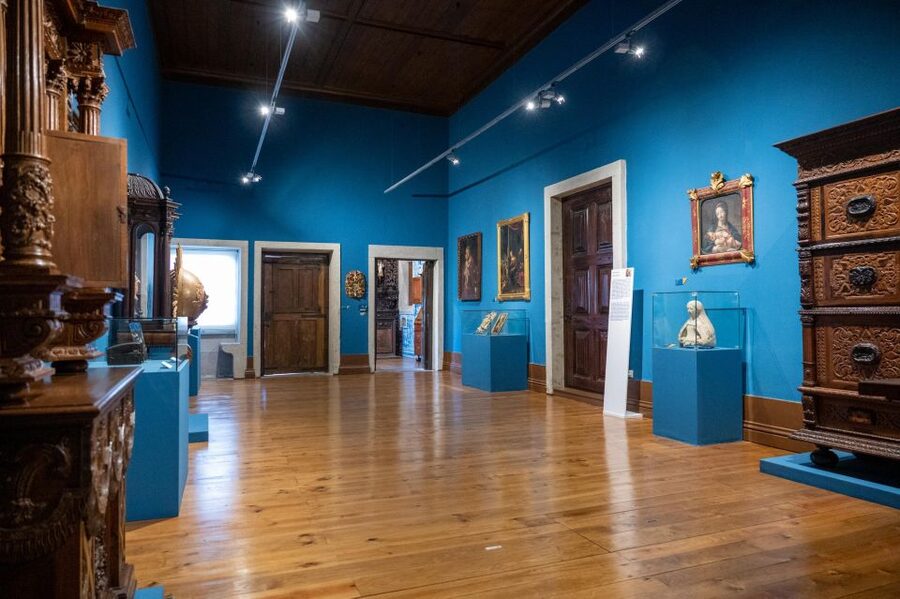
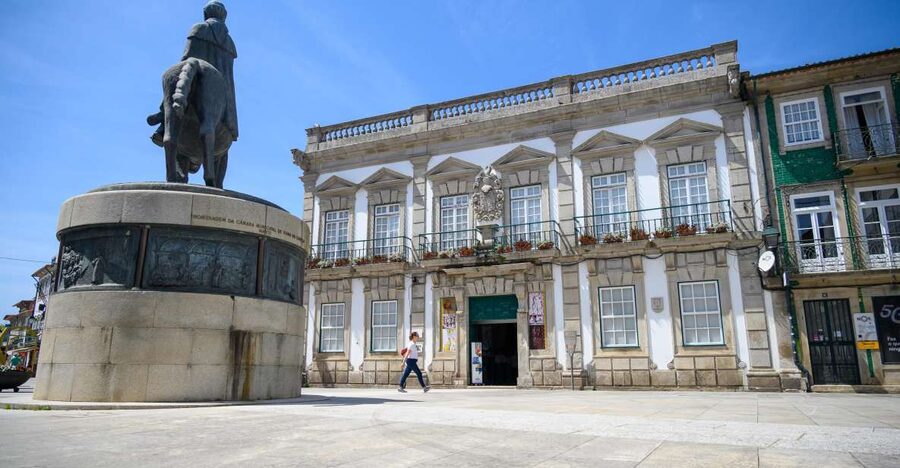
The museum is at Largo de S. Domingos, 4900-330 Viana do Castelo, Portugal. For questions, contact the museum by phone at 258 809 305 or email [email protected]. The experience provider is Museu de Artes Decorativas, Município de Viana do Castelo.
The museum is wheelchair accessible. A nursery and descriptive audio are also listed among its facilities. If you need a specific access arrangement or want to know which languages the audio supports, contact the museum directly; the host or greeter language is Portuguese.
Food and drinks are not allowed, and flash photography is prohibited. Keep those rules in mind before entering, especially if you are visiting with children or plan to take photographs. You can still enjoy the rooms without a camera flash, and the tile panels reward careful looking more than a rushed snapshot.
Who should go?
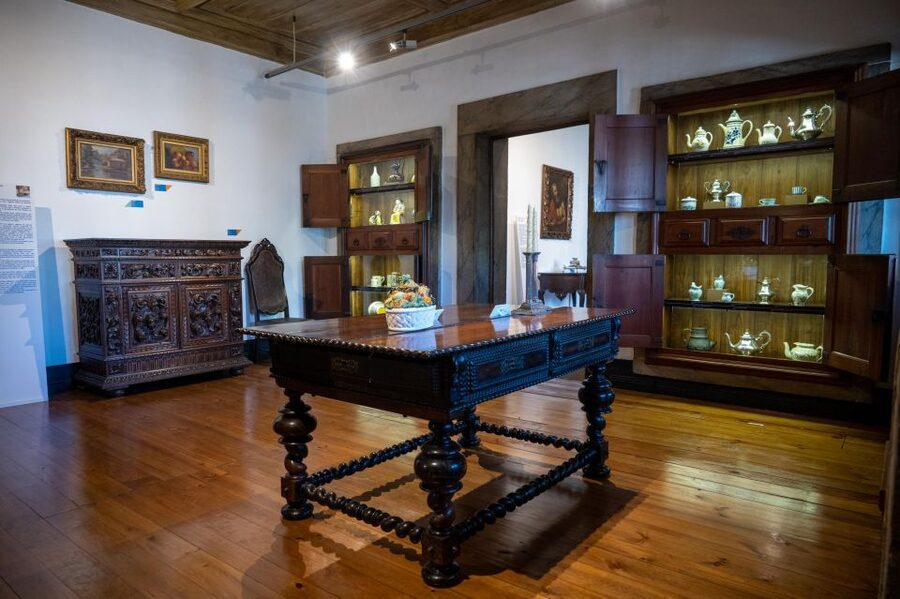
I would put this museum on the list if you enjoy ceramics, historic interiors, tilework, or the everyday customs behind museum objects. The two strongest draws are the Baroque tiles and the scale of the faience collection. The Costume Museum adds a human, social angle that can suit visitors who are less interested in ceramics alone.
It is also a practical choice if you want a low-cost cultural stop with more than one collection under the same ticket. Families and visitors with reduced mobility may appreciate the listed nursery and wheelchair access, though it is wise to confirm any specific needs with the museum.
If you need a guided experience in English, this may require extra planning. The listed host or greeter speaks Portuguese, and no English-language live guide is specified. Descriptive audio is available, but its language is not stated. The museum’s strongest appeal is its objects and rooms, so it works best when you are comfortable exploring at your own pace.
Should you book?
For $2.83, I think this is a worthwhile stop if decorative arts or local customs interest you. The tiles are unusually specific, with named artists and subjects, while the faience and Costume Museum broaden the visit beyond a single collection. Book it if you want a calm museum visit with local context and a second museum included.
Consider skipping it if you have little interest in decorative arts and need a fully guided visit in English. If you do go, give the tiled rooms and chapel time, then use the Costume Museum to see how the story moves from objects and interiors to clothing, weddings, and family customs.
FAQ
How much does admission cost?
The listed price is $2.83 per person.
What does the ticket include?
The ticket includes access to the Museum of Decorative Arts and the Costume Museum.
What are the main highlights?
The key highlights are the National Faience collection, 18th-century Baroque tiles in three rooms, the tiled chapel, and rooms about Viana’s history and maritime vocation.
What can I see in the tiled rooms?
The main-floor rooms facing Largo de S. Domingos contain Lisbon-made 18th-century tiles attributed to Valentim de Almeida. Their scenes include the four continents, hunting, and gardens.
Who painted the chapel tiles?
The chapel’s biblical tiles are signed by Policarpo de Oliveira Bernardes, who lived from 1695 to 1778.
Is the museum wheelchair accessible?
Yes. Wheelchair access is listed among the museum’s facilities.
What languages are available?
The host or greeter language is Portuguese. Descriptive audio is available, but no audio languages are specified.
Can I bring food or take flash photographs?
Food and drinks are not allowed, and flash photography is prohibited.
Just in around Porto
- Porto : Private Tour of the Historic City in a Classic Ford T★ 5.0 · 13 reviews
- Pastel de Nata Workshop in Porto★ 5.0 · 127 reviews
- Private Tour to Lamego and Viseu, the Dão wine region★ 5.0 · 3 reviews
- Workshop Nate Pastel and Cocktails in Porto★ 5.0 · 64 reviews
- Douro Valley Private Day Trip including Boat Ride & Wine Tasting★ 5.0 · 96 reviews
- Porto City Tour with Wine Tasting★ 3.5 · 30 reviews
- Paiva Walkways & Arouca Suspension Bridge – All Inclusive!★ 5.0 · 62 reviews
- Adventure Paiva Passages: Suspension Bridge and Picnic | Porto★ 4.5 · 4 reviews
Porto Museum Tickets, compared.
Cálem Cellar Tour, Interactive Museum & Wine Tasting
Read our review →

Entry Ticket at WOW – The Wine Experience Museum
Read our review →


Browse the lists this tour appears in