Reviewed · PORTO TOURS
Porto: Acrylic and Oil Painting Class with a Local Artist
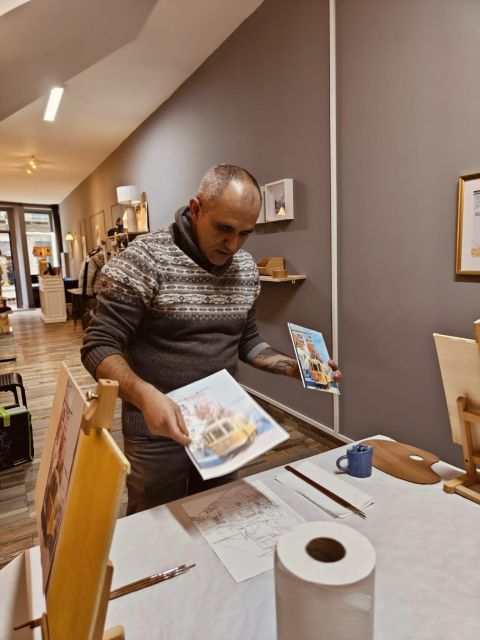
Porto’s changing light and street life become your subject in this hands-on painting class with local artist Emanuel Ribeiro. In a downtown studio where artists work, you’ll learn practical basics, then use them to build a painting of your own.
I like two things in particular: you get guidance on the working details beginners often miss, from brush use to preparing a surface, and the group is limited to five people. That leaves room for questions and individual help, rather than a lesson delivered to a roomful of easels.
One consideration: this is an introductory class, not a long course in oil or acrylic technique. At 2.5 hours, you’ll get useful foundations, but you should not expect to master either medium in a single sitting.
The useful details at a glance
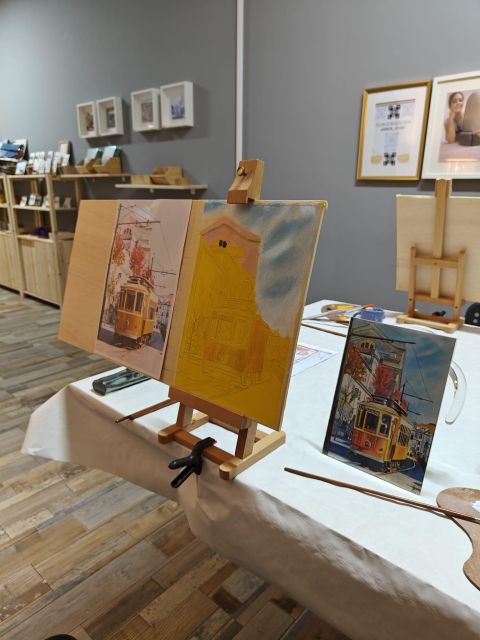
- Porto is part of the subject: Ribeiro paints the city’s streets and daily life, giving the class a local point of view.
- You learn both practical and creative basics: Brush handling, color value, mixing, paint quantities, easels, surfaces, and accessories are all covered.
- The group stays small: A maximum of five participants gives you a better chance to ask questions as you work.
- Materials and easel use are included: You don’t need to bring painting supplies.
- Cocktails are included: A small extra that makes this feel like a relaxed studio activity, not just a lesson.
- The price is $53 per person: For 2.5 hours of instruction with materials, this is a reasonable way to try painting without buying equipment first.
A working Porto studio, not a paint-by-numbers stop
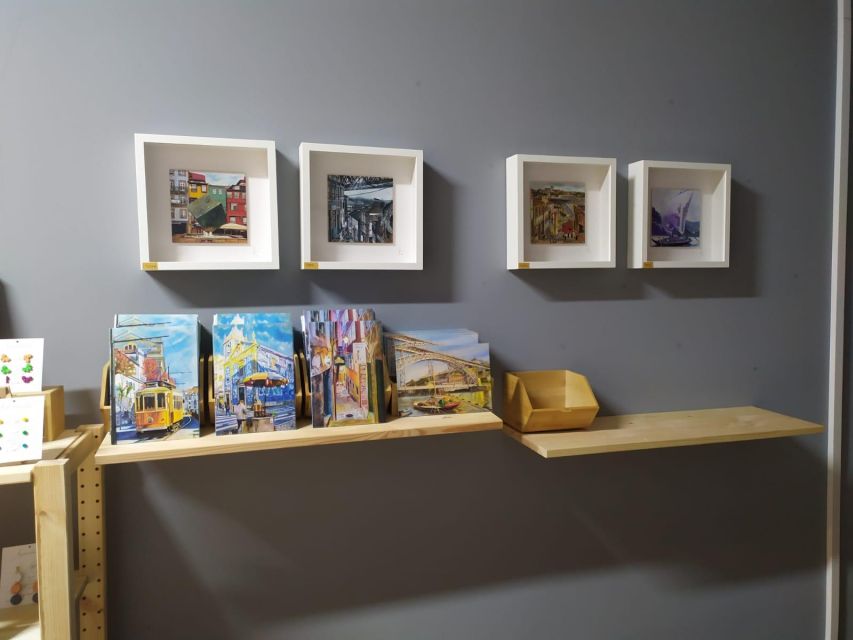
The class takes place in Boiler Studio, a downtown creative space where several artists work. That setting matters. You’re not just learning a sequence of painting steps in a neutral classroom; you’re spending time in a place connected to Porto’s working art scene.
Your teacher, Emanuel Ribeiro, is a visual artist who paints the city. The source of inspiration is practical and close at hand: Porto’s light, local daily life, and the history held in its streets. You don’t need to arrive with a grand artistic idea. The class gives you a chance to look at familiar city details with a painter’s eye and try to record something about them.
The meeting point is on a street near S. Bento Train Station. That puts the class in the heart of downtown, but the exact studio address is not provided here. Before setting out, make sure you have the precise meeting instructions. A station-area street is a useful landmark, not a door number.
More hands-on workshops around Porto:
- Porto: Pastel de Nata Pastry-Making Workshop
★ 4.9 · 1,542 reviews - Porto: Pastel de Nata Cooking Class with Port Wine – Sé
★ 4.8 · 888 reviews - Porto: Small Group Surf Lesson with Transportation
★ 4.9 · 594 reviews
Start with the tools, not the talent
The lesson begins with fundamentals. You’ll learn how to use brushes correctly, how an easel works, and what materials and accessories professional painters use. These details can sound basic, but they make a real difference when you’re new to painting. A brush is not simply a stick for spreading color; how you hold and use it affects the mark you make and the control you have.
You’ll also cover surfaces and how to prepare them. That is useful knowledge beyond the class itself. If you decide to paint at home later, knowing that a surface needs suitable preparation can spare you the frustration of putting effort into a painting that does not behave as expected.
The teacher’s guidance is included, and the group is capped at five. That should make it easier to ask about a particular brush, color, or technique without losing the thread of the lesson. Still, the session is only 2.5 hours, so expect an introduction rather than a full technical course.
Color mixing is where the lesson gets personal
A central part of the class is learning to mix colors and judge how much paint you need. This is where a few practical principles can change how you approach painting. Instead of reaching for every color ready-made, you’ll get a chance to understand how colors relate and how to make the shade you want.
The class also covers color value, or the relative lightness and darkness of a color. This is useful whether your goal is a detailed city scene or a simpler composition. Color can attract attention, but differences in light and dark help give a painting depth and shape.
That distinction helped one participant who had been painting only in black and white. With Ribeiro’s patient guidance, she got a quick introduction to working with color and tools she could continue practicing at home. That is a good way to think about the class: you are not expected to leave as an expert, but you can leave with a clearer idea of what to practice next.
The amount of paint matters, too. Use too little and you may struggle to cover the surface; use more than you need and you can waste material or make a mess of the process. The lesson addresses quantities as part of the practical toolkit, an unglamorous but handy skill.
Turning Porto’s light into a painting
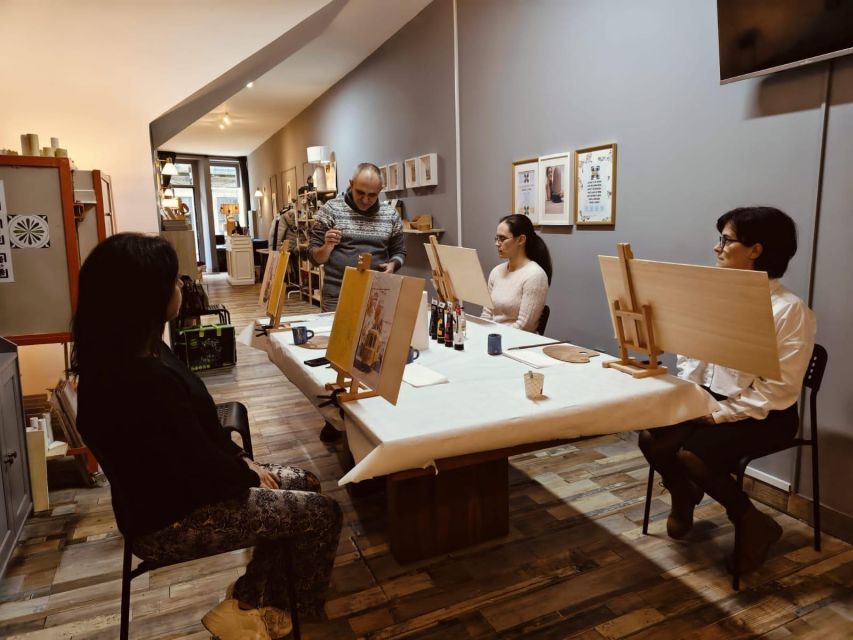
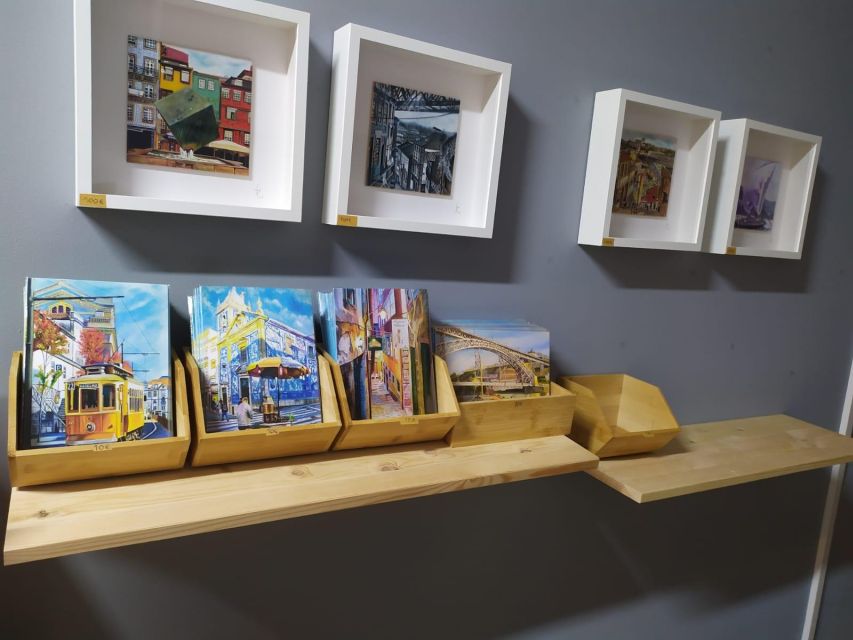
Ribeiro’s own work focuses on Porto’s urban scenes. The city’s light, everyday routines, and local history are the creative starting points for the class. You’ll be encouraged to look closely at those influences and try to capture something through your own brushstrokes.
The exact painting subject and step-by-step project are not specified, so don’t assume you’ll be assigned a particular landmark or follow a fixed template. The appeal is more open-ended: you learn the fundamentals while taking inspiration from the place around you. If you prefer a tightly scripted class with a guaranteed finished image, ask about the project before booking.
A family with no previous painting experience worked through an oil painting with Ribeiro’s step-by-step help. Their children, aged 10, 15, and 17, stayed focused and involved. That suggests the teaching can work for beginners and older children, though every child is different. The minimum age is 10, and children under that age are not accepted.
The activity information gives a 2.5-hour duration. One family described spending around three hours painting, so the pace may feel leisurely, but plan around the stated 2.5 hours unless the organizer confirms otherwise. If you have a train, meal, or other booking afterward, leave a little breathing room.
More around Porto worth booking
- The Unvanquished Tour in Porto City Center
★ 5.0 · 26,497 reviews - From Porto: Douro Valley w/ Boat Tour, Wine Tasting & Lunch
★ 4.7 · 19,061 reviews - Complete Douro Valley Wine Tour with Lunch, Wine Tastings and River Cruise
★ 5.0 · 12,920 reviews - Porto: Live Fado Show with Glass of Port Wine
★ 4.8 · 6,498 reviews
Acrylic or oil: what to expect from the choice
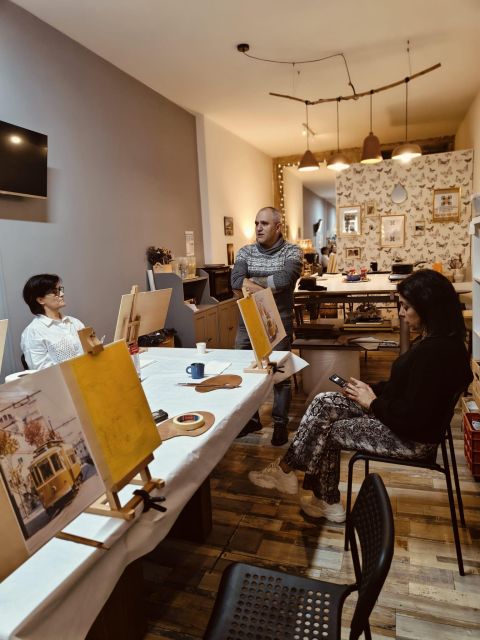
The class covers fundamental techniques for acrylic and oil painting. The description does not specify whether every participant uses both mediums during one session or chooses between them, so check that detail if you have a strong preference.
Both choices benefit from the skills covered here: brush use, color mixing, quantities, surfaces, and accessories. For a first attempt, the best medium may simply be the one you are curious about. If you have painted before, you can use the time to explore a different material or get more comfortable with color.
A useful expectation is that this is a broad introduction. In 2.5 hours, you can learn the purpose of the tools and try techniques under a teacher’s eye. You are unlikely to cover every difference between acrylic and oil in depth, so consider this a starting point rather than a substitute for repeated practice.
Why five people is a good limit
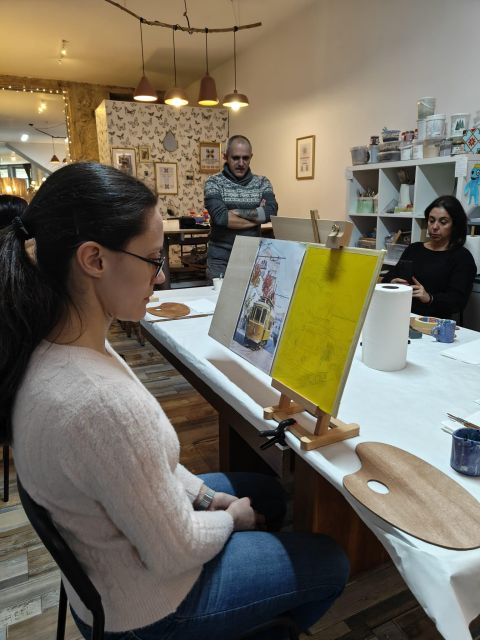
Small groups make a noticeable difference in an activity that depends on looking closely at your work. With no more than five participants, there should be more space for direct feedback than in a large class. You can ask for help with a color mix or a brush mark while the issue is still in front of you.
That is particularly useful if you’re a beginner. It can be hard to know what to ask when you have never worked with paint before. A teacher who can guide you step by step can help you move past the blank-canvas pause and get on with trying things.
The personal side of the class is part of its appeal, too. Ribeiro is described as a lively conversationalist who enjoys discussing art and life. Conversation is not a formal feature you can count on at every moment, but the studio setting and small group make this feel more like time with an artist than a lecture.
Is $53 fair for the class?
At $53 per person, the price includes the 2.5-hour lesson, graduate teacher guidance, painting materials, accessories, easel use, and cocktails. That is a useful bundle if you want to try painting without buying paints, brushes, or a stand that may end up gathering dust at home.
The value is strongest for first-timers and curious beginners. You get an introduction to several foundational skills, plus the chance to use professional materials in a studio. If you already own supplies and have taken painting classes, the lesson may be less compelling unless you specifically want to work with a local Porto artist or explore this studio environment.
The price does not promise a particular finished painting or advanced instruction. Think of it as paying for guided practice and a short introduction, not for a finished artwork of a guaranteed size or style. If a take-home painting matters to you, confirm what you will complete and whether it is yours to keep.
Who will enjoy it most
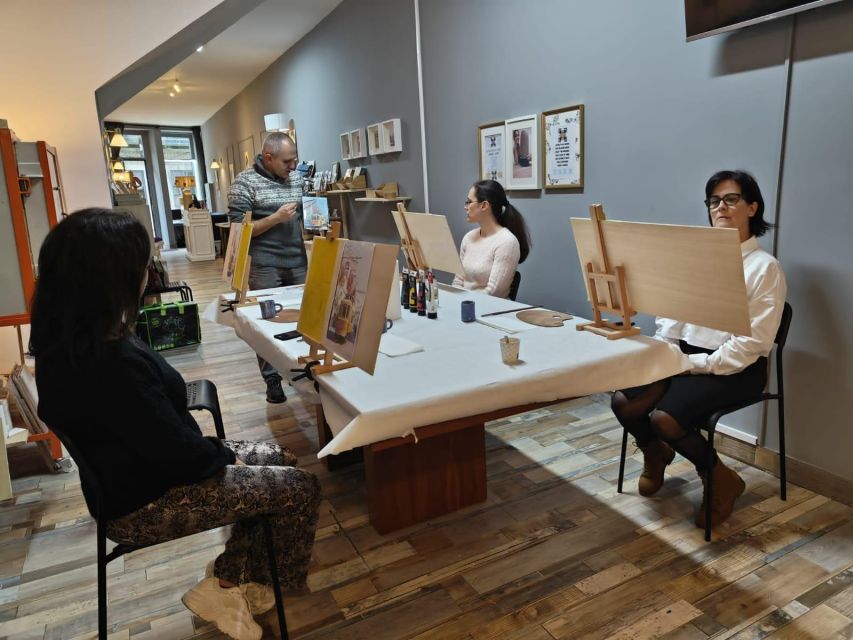
I’d recommend this class to anyone who wants a creative break from Porto’s monuments and café stops, especially if you’re curious about painting but have not known where to begin. You do not need prior experience; the lesson is built around fundamentals and guided practice.
It can also suit a family with older children. The minimum age is 10, and the small group format is a plus when children are learning a new skill. The family experience described above included a 10-year-old and two teenagers, all painting together. Do remember that the activity is not available to children under 10 or babies under one.
If you already paint, consider what you want from the session. You may appreciate focused work on color, materials, and preparation, but the class is not presented as advanced instruction. It may be a better fit if you want a fresh prompt and a conversation with an artist than if you are seeking specialist training.
The activity is listed as wheelchair accessible. Instruction is available in English, Portuguese, and Spanish. If either access arrangements or your preferred language is essential, confirm the details before you go.
Before you set off for the studio
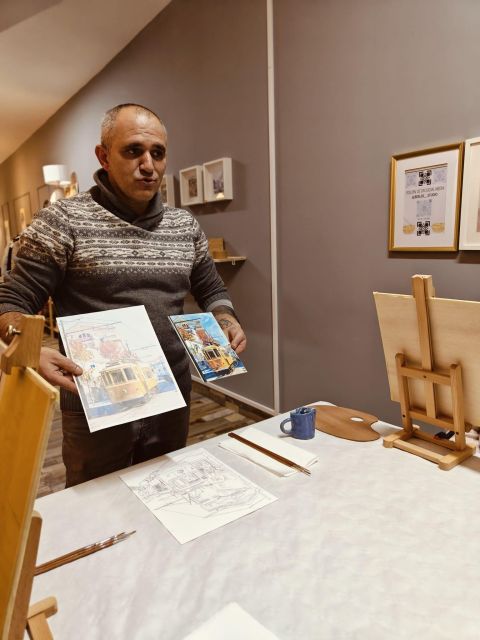
The meeting point is described as a street near S. Bento Train Station, while the class takes place at Boiler Studio in central Porto. Check the exact location carefully, since a nearby station is not enough to identify the correct entrance.
All painting materials and accessories are included, as is use of an easel, so there is no need to bring your own kit. The class runs for 2.5 hours, and starting times vary by availability. Cocktails are included, though the specific drinks are not stated.
You can cancel up to 24 hours in advance for a full refund. There is also a reserve-now, pay-later option, which is useful if your plans are still taking shape.
Should you book this painting class?
Book it if you want a small, practical introduction to acrylic and oil painting with a Porto-based artist, and you like the idea of learning in a working studio. The best reasons to go are the direct instruction, the small group, and the chance to explore color and brushwork without first investing in supplies.
Think twice if you want a long technical course, a guaranteed subject, or a fully specified finished project. For most curious beginners, though, $53 buys a satisfying way to slow down, make something with your hands, and see Porto through an artist’s attention to light and everyday life.
FAQ
How long is the painting class?
The class lasts 2.5 hours. Check availability for the starting times.
How much does it cost?
The price is $53 per person.
Are painting supplies included?
Yes. Painting materials, accessories, and use of an easel are included.
What languages can the instructor speak?
Instruction is available in English, Portuguese, and Spanish.
Can children take part?
Children must be at least 10 years old. Children under 10 and babies under one year are not suitable for the activity.
Is the class wheelchair accessible?
Yes, the activity is listed as wheelchair accessible.
Just in around Porto
- Porto : Private Tour of the Historic City in a Classic Ford T★ 5.0 · 13 reviews
- Workshop Nate Pastel and Cocktails in Porto★ 5.0 · 64 reviews
- Pastel de Nata Workshop in Porto★ 5.0 · 127 reviews
- Private Tour to Lamego and Viseu, the Dão wine region★ 5.0 · 3 reviews
- Porto City Tour with Wine Tasting★ 3.5 · 30 reviews
- Douro Valley Private Day Trip including Boat Ride & Wine Tasting★ 5.0 · 96 reviews
- Paiva Walkways & Arouca Suspension Bridge – All Inclusive!★ 5.0 · 62 reviews
- Adventure Paiva Passages: Suspension Bridge and Picnic | Porto★ 4.5 · 4 reviews
Porto Tours, compared.
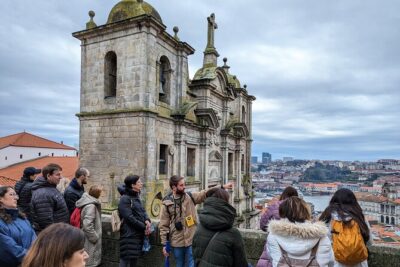

Douro Valley w/ Boat Tour, Wine Tasting & Lunch
Read our review →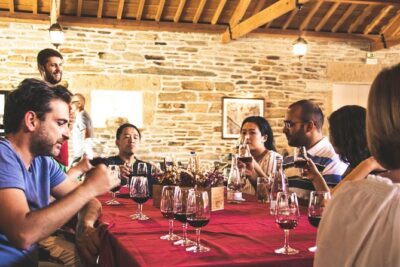
Complete Douro Valley Wine Tour with Lunch, Wine Tastings and River Cruise
Read our review →


Guided Tour by Tuk-Tuk & Optional Douro River Cruise
Read our review →